
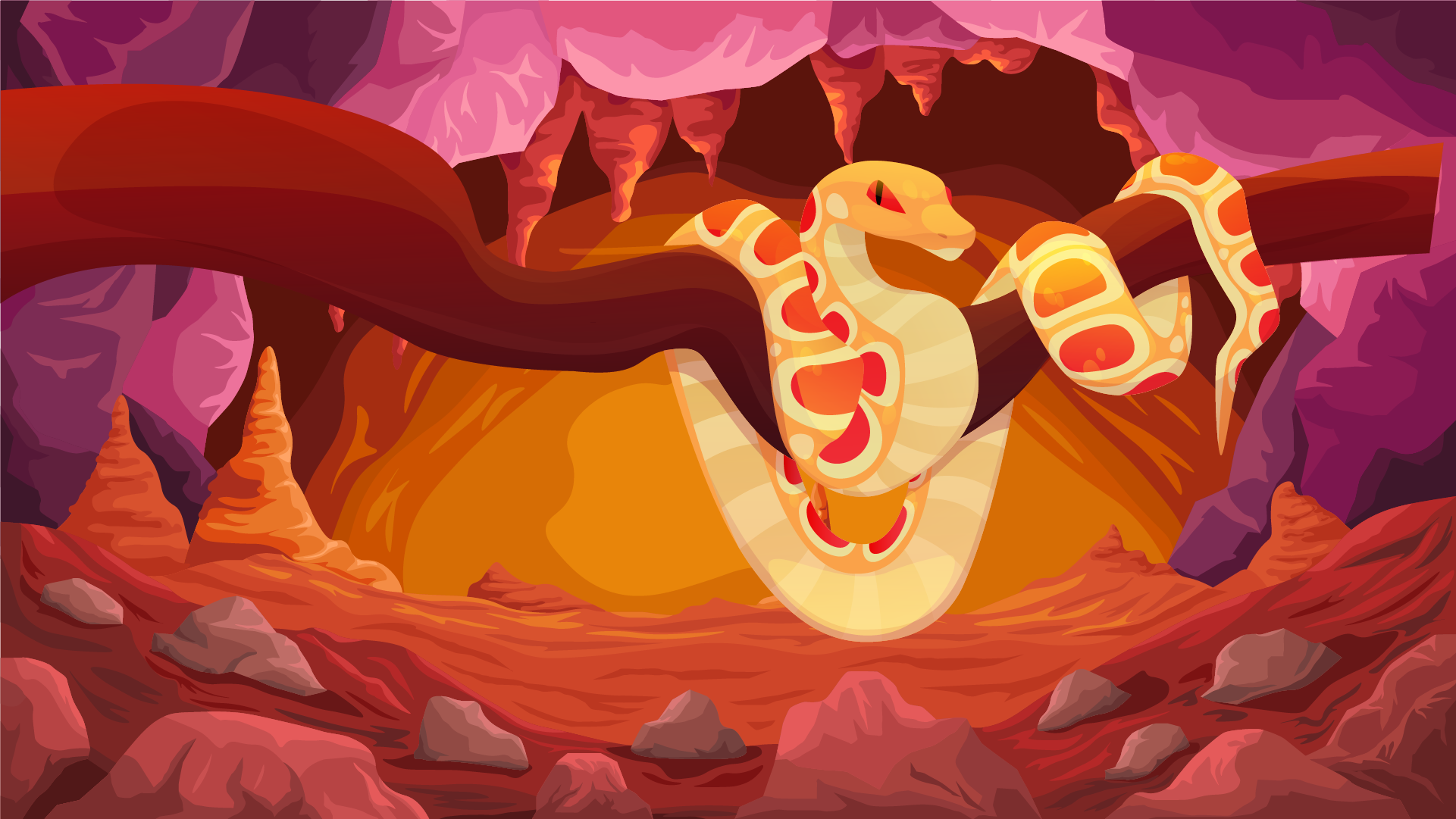
In Hindu cosmology, Mahatal Lok is one of the seven lower realms, or Patalas, that are located below the earth. It is known as the magical home of Nagas, which are multi-headed snakes that are important mythological figures in Hinduism.
This underground world has a lot of spiritual meaning and is mentioned a lot in ancient Hindu texts like the Puranas. It is linked to cosmic mythology, spiritual struggles, and the balance of the divine.
Discover Mahatal Lok, the abode of multi-headed nagas, their spiritual essence, and ancient stories.
What is the spiritual meaning of Mahatal Lok?
Mahatal Lok represents the place where powerful natural forces and primal energy live in the form of serpents, or Nagas. These creatures can be both helpful and harmful.
In a spiritual sense, Mahatal is a representation of the potent and enigmatic primordial powers that lie dormant under the surface of everyday consciousness. The Nagas are symbolic of the “Kundalini” Shakti, which is the dormant presence of the snake power that is located in the human spine. When this force is awakened, the seeker experiences enlightenment and spiritual awakening.
The many-headed snakes of Mahatal are like the different parts of the ego and the fears that a spiritual seeker must face and deal with. These beings protect the realm, which is full of powerful mystical energies. They represent spiritual challenges like controlling your emotions, resisting temptation, and mastering yourself.
In cosmic terms, Mahatal Lok shows us that not all spiritual tests come from outside of us. Many of them are battles we have with ourselves that take the form of symbolic guardians like the Nagas. So, Mahatal Lok tells people who want to become better to look deep inside themselves, bring out their hidden potential, and keep their balance in the midst of all the chaos inside.
Who are the inhabitants of Mahatal Lok?
The many-hooded Nagas, or serpent gods, are the main residents of Mahatal Lok. They are usually thought of as the sons of Kadru, a mother figure in Hindu mythology.
Karkotaka, Takshaka, Kaliya, and Shushena are prominent Nagas residing in Mahatal. These entities possess considerable strength and several hoods, yet they coexist harmoniously. They fear Garuda, the celestial eagle and adversary of serpents.
It is well-known that Nagas possess exceptional intelligence, physical prowess, and magical powers. They have families and frequent social events, where they may indulge in vices. The allure and peril of material pleasures are demonstrated here.
Along with the Nagas, Mahatal Lok is home to other magical beings with their own powers and roles. Nagas here are strong, but they aren’t always evil. They protect the universe and keep secrets, like those about the energies and waters of the earth.
Ancient stories about Mahatal Lok.
Naga Kings and the Mahabharata
Numerous Nagas, including Takshaka, play significant parts in the Mahabharata, which is a well-known history. Takshaka, the snake king, was responsible for the death of King Parikshit by biting him with his venomous fangs, causing him to die. An essential component of the Nagas’ mythology concerning curses, divine justice, and attachments to the material world is the Nagas’ conflicts with both mankind and gods.
Kaliya Serpent and Lord Krishna
The story of Kaliya, a Naga with many heads who poisoned the Yamuna River, is one of the most well-known stories in the world. As a demonstration of how heavenly might can triumph over negative influences and ignorance, the young Lord Krishna danced on Kaliya’s shoulders in order to convince him to leave the river.
Kadru and Vineeta
Kadru is the mother of the Nagas, and her competition with her sister Vineeta, who is the mother of Garuda, is symbolic of the continuing cosmic wars between birds and snakes, chaos and order, and ignorance and enlightenment. Vineeta is the mother of Garuda. Their offspring are dispersed over the world, including in Mahatal, for example.
Nagas as the protectors of wealth and mystical knowledge.
Many Puranic texts say that Nagas protect both physical and spiritual treasures. Mahatal Lok is a place where these snake beings protect secret knowledge.
Mahatal Lok is mostly mentioned in Puranas and mythological literature, not directly in the Vedas or Upanishads. The Vedas and Upanishads are more about metaphysical ideas than cosmology.
According to the Vishnu Purana, Shiva Purana, and Bhagavata Purana, Mahatal is the birthplace of Kadru’s multiheaded Nagas.
The Brahmanda Purana describes how the underground worlds are set up, with a lot of focus on how Nagas help keep the universe in balance.
The Vedas don’t directly mention Mahatal Lok, but they do talk about Nagas a lot. They represent cosmic energies, protection, fertility, and the two sides of nature. The snake is a strong symbol of kundalini, eternal life, and the cycle of renewal.
Upanishadic Philosophies
The metaphorical interpretation of Mahatal as an interior region of spiritual testing where one must confront the serpentine forces of desire, fear, and ego before becoming enlightened is consistent with the Upanishads’ deeper examination of awareness.
According to several traditions, nagas represent the complex interaction of forces that must be understood and transcended on the spiritual path rather than ultimate good or evil.
The notion that Mahatal Lok is the home of Nagas demonstrates how ancient people used stories to comprehend both the natural world and their own inner lives. The underground Nagas symbolize energies that are under our conscious awareness, like instincts, wants, and fears, and that can either support or impede spiritual development.
Final thoughts.
The spiritual aspirant’s journey involves the careful awakening of kundalini energy, focusing on mastering these forces rather than succumbing to them. Traditional yogic practices and meditation reference the symbols of Nagas and Mahatal to describe this transformative process.
Furthermore, serpent symbolism is significant in Indian culture, reflected in temple art and rituals, highlighting the importance of Mahatal Lok and its inhabitants in Indian cultural traditions.



Leave a Reply