

In Hindu cosmology, Paatal Lok, or Patala, is the name for the seven lower realms. These are said to be places beneath the earth that are full of wonder, wealth, and supernatural beings.
Explore Paatal Lok, its spiritual essence, inhabitants, and ancient stories. Learn how it differs from Narak in Hindu mythology.
What is the spiritual meaning of Paatal Lok?
Paatal Lok is more than just an underworld in Hinduism; it is a location where secret layers of existence, both on the exterior and on the inside, can be discovered. In both the Puranas and the Itihasas, Paatal Lok is described as a land that is both lovely and abundant but also unreal. However, it is also full of materialistic and sensual temptations, and some people believe that it is more beautiful and luxurious than Svarga, which literally translates to “the heavens.”
Paatal Lok is a spiritual place that represents the deep parts of the mind where unexamined wants, ego, and harmful behaviors live. It is not a place of punishment like hell, but a world where people can fall into attachment, pride, and illusion (maya). In esoteric practice, it is sometimes compared to the lower chakras or psychic states that one must overcome to reach enlightenment.
Are Narak and Paatal Lok the same?
People often confuse Paatal Lok with Narak (or Yama Loka), but these terms refer to two distinct concepts in Hindu cosmology:
Instead, Paatal Lok is a magical world full of beauty and pleasure. It doesn’t receive much sunlight, but there are glowing jewels. Supernatural races rule it, and it’s not just a place for human souls to suffer for their sins. Narak, on the other hand, is where Yama (the god of death) rules. There, souls pay for their bad karma by suffering before being reborn.
Who are the inhabitants of Paatal Lok?
The main people who live here are:
- Danavas (sons of Danu): Strong demons who often fight the Devas (gods).
- Daityas (sons of Diti): These are enemies of the gods, and they include well-known figures like Hiranyaksha and Hiranyakashipu.
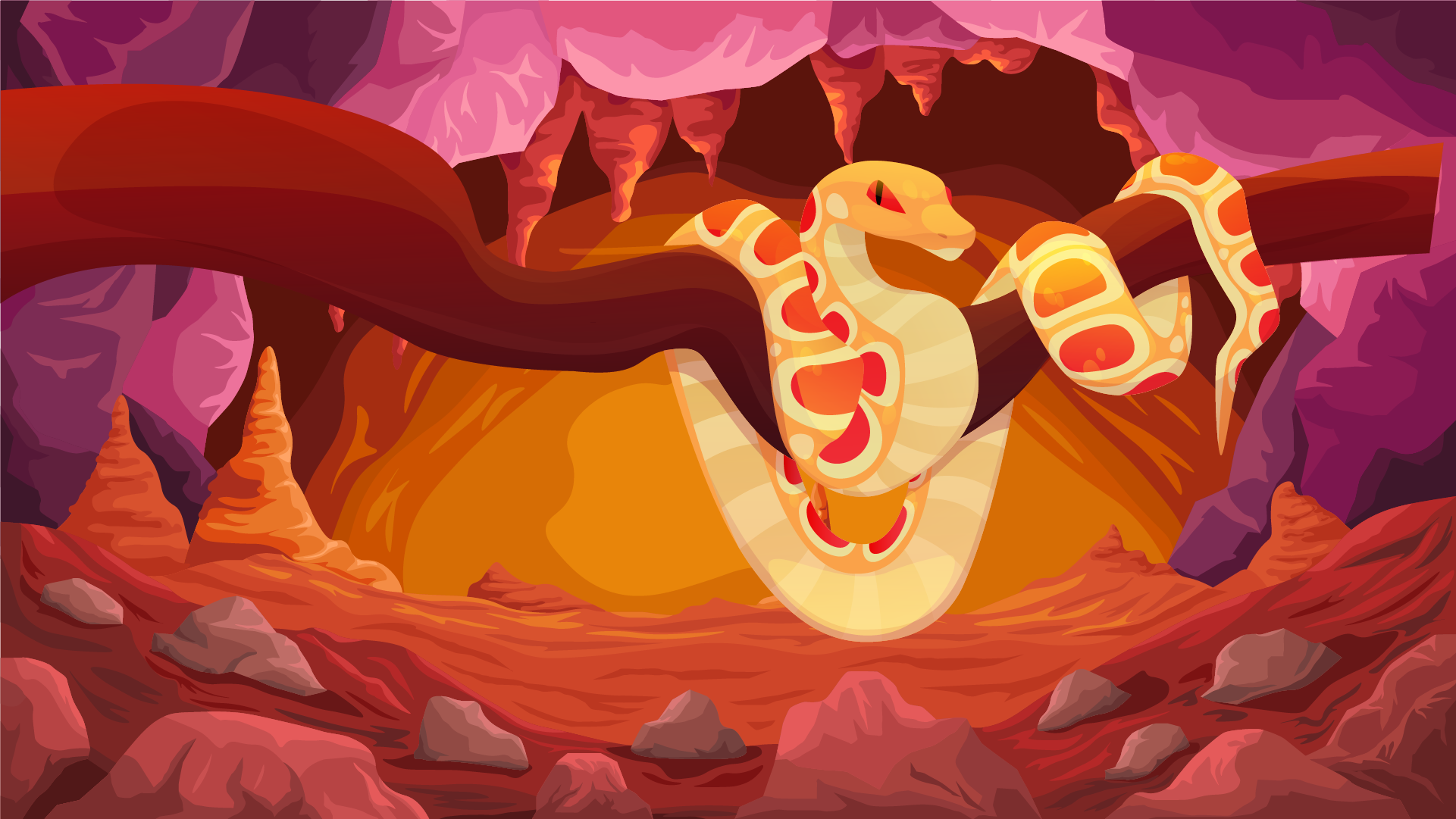
- Nagas (serpent beings): Multi-hooded serpent kings like Vasuki and Shesha, wise and magical, and linked to the treasures of the earth.
- From time to time, yakshas can be found here. These nature spirits are in charge of guarding the world’s wealth.
- Maya Danava: The renowned demon architect who built cities and other amazing things in Paatal
There are seven levels in Paatal, and each one has its own rulers and creatures. People consider the Nagas to be protectors of the treasures of the underworld. Their jeweled hoods light up the eternal darkness.
Ancient stories about Paatal Lok.
Samudra Manthan (Churning of the Ocean)
The ocean is said to have its lower depths connected to Paatal, and it brought up many treasures, as well as the deadly poison Halahala. In this myth, the Nagas are crucial because they are the rope that turns.
In the Vamana avatar, Lord Vishnu sent the demon king Bali to rule Paatal Lok as a reward for being honest and giving up everything he owned in a test of humility. Bali becomes a fair and wise ruler of Paatal, which ties the realm to the idea of cosmic balance and the redemption of the ego.
In the Mahabharata (Adi Parva), Bhima is poisoned and thrown into the Ganga. He then travels through a gateway to Vasuki Naga’s palace. This instance is a metaphor for going beyond the normal and into places of hidden strength and knowledge.
Shesha and Ananta: The eternal snake that symbolizes infinity Shesha is Vishnu’s couch and lives in Paatal, which stands for cosmic stability and support for the universe.
Citations in the Vedas, Upanishads, and Puranas.
The Rigveda talks about beings and places that are underground, but it doesn’t always call them “Paatal” directly. Serpents (Nagas) and anti-gods are said to live in the depths, which represent forces that are below the surface of the created order.
The Upanishads use the term “Paatal Lok” to refer to lower levels of consciousness. The Shvetashvatara and other Upanishads mention layers of the universe. Some individuals interpret these as metaphors for inner psychological states associated with the Patala system.
Vishnu Puran, Bhagavat Puran, Shiva Puran, and Padma Puran provide the most comprehensive accounts. It examines urban centers, sovereigns, and the lifestyles of their inhabitants (Maya palaces, Naga lakes, and Yaksha wealth).
People often say that it is more beautiful and desirable than the heavens above, but it is really a distraction from spiritual freedom (Moksha).
What is the spiritual significance of Paatal Lok?
Many people today see Paatal Lok as a symbolic idea that stands for the unconscious mind, the shadow, and the areas of ignorance, pride, and material attachment that must be overcome to reach enlightenment.
Psychologically, a journey into Paatal is like going to the underworld and facing our inner demons.
Indian folk culture also sees Patalkot or other mysterious valleys as “gateways” to Paatal, which keeps it intriguing as a place of wonder and spiritual testing.
What is Paatalkot?
Patalkot is a geographic place located in the Chhindwara district of Madhya Pradesh, India. It is a horseshoe-shaped valley that is rather deep. The area is well-known for its indigenous culture, the abundance of therapeutic herbs, and the breathtaking environment.
According to Sanskrit, the word “Patalkot” translates to “very deep.” The local legends claim that this portal leads to the mythical underworld of Patal Lok. In addition, it is a location that is suitable for ecotourism due to the presence of old rocks as well as a wide variety of plants and animals.
Final thoughts.
Paatal Lok holds a complex position in Hindu thought. It is the home of powerful, magical, and hostile beings, a place where treasures and illusions are kept, and a deep metaphor for the human spirit’s journey into the unknown.


Leave a Reply