Gone are those days when art was synonymous with paint-stained palms and easels in the sunlight. Compared to those days, we now live in a world where art is dominated by “prompts” that can create masterpieces without creative talent.
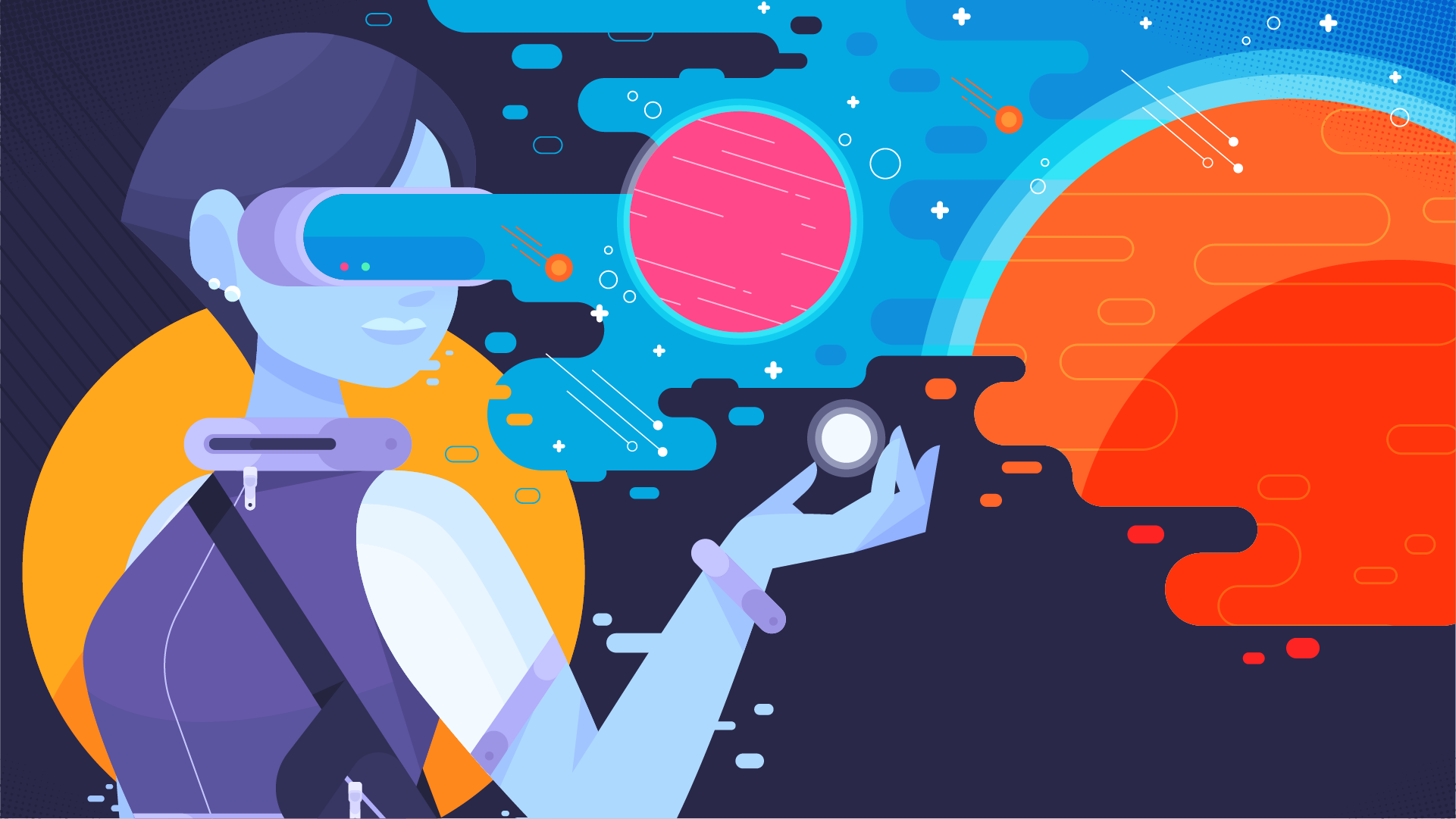
Artificial intelligence is transforming the global creative ecosystem, empowering artists, brand visionaries, and digital explorers to unlock unprecedented innovation opportunities.
This article explores the most innovative AI art trends of the year, each showcasing real-world examples of cultural impact. Read how artificial intelligence art, or AI art, is changing the art world, resembling how the printing press and camera impacted books and reading.
AI art generators: the paintbrush for everyone.
AI art generators are more like Aladdin’s magical lamp, with the only difference being that you enter a prompt instead of rubbing a lamp. Type anything and the tools are ready with stunning pieces of art that can be easily shared all over the world.
Programs like MidJourney, DALL·E, and Stable Diffusion allow users to transform their wildest fantasies into visually appealing, museum-worthy images quickly.
Every person who draws, daydreams, or sings in the bathroom has received an invitation to the secret art workshop that was intended for trained professionals before.
Cultural Impact
Art is no longer restricted to upscale galleries or pricey degrees. Today, anyone in Dhaka, Nairobi, or Dharavi can produce and distribute top-notch images. Even entire exhibitions at museums like Tokyo’s Mori Art are devoted to this trend, raising the question, “What makes art… art anymore?”
Everyone is a participant with interactive AI art.
We no longer simply stand and stare at a painting; instead, the painting responds to us. This is a result of the introduction of interactive artificial intelligence art.
Art has evolved into a two-way street, whether it’s a gallery wall that changes color based on your mood or music that changes in time with your heartbeat. It’s similar to entering a narrative in which you co-create the plot rather than only being an audience member.
Everyone is a performer in this AI art world, and art isn’t just something you see; it’s an integral part of your daily life.
Cultural Impact:
The nature of art shifts from that of a monologue to that of a conversation. The phrase “look, don’t touch” will no longer be used. The phrase “come, play, feel” is now it.
The new ways of storytelling with AI prompts.
In the domain of artificial intelligence, your cognitive process is your brushstroke. The quality of your prompt determines the quality of your artwork.
What is an AI prompt?
An AI prompt is like speaking to a highly intelligent and imaginative personal assistant; it will not know your preferences unless you explicitly tell it. The AI’s imagination is stimulated through words, descriptions, ideas, or moods, rather than paint or clay.
AI uses prompts to generate comprehensive images based on your concept. The more precise and colorful your language, the more engaging the outcome. Your words are the new brushstrokes in AI innovation, whether creating photos, writing stories, or composing music.
Cultural Impact:
Art and storytelling, once requiring years of training or expensive tools, can now be created with a vivid idea and a few well-chosen words, allowing anyone to create visually appealing content. Words are becoming brushstrokes in storytelling, fostering inclusivity, diversity, and global connectivity, and incorporating diverse voices, cultures, and imaginations into the creative conversation.
Bringing dreamlike scenes to the screen with AI animations
Once upon a time, creating an animation required a Pixar budget. Now? A single selfie can be animated into a short film using tools such as Runway, Adobe Firefly, or Pika. Even your dog’s picture may wink!
YouTubers are making cartoons without the help of companies. Product demos are being animated by startups that have never done animation before. Fairy tales are coming to life on everything, even wedding cards.
Cultural impact:
Indian panchatantra stories, African folktales, and Filipino legends that used to be stuck in old books are now being brought to life with color, movement, and a modern update. What’s local goes global.
AI meets NFT art.
Social media platforms are transforming creators’ work by allowing users to purchase AI-generated avatars, which can be used as profile pictures, digital collectibles, or personal digital twins.
In the meantime, online creative communities are pushing things to an even higher level. Through the use of non-fungible tokens (NFTs), they are crowdsourcing digital art exhibitions rather than waiting for gallery space in the real world.
Imagine an online art gallery in which every piece of artwork is tokenized, meaning that each item is validated as being unique on the blockchain, and it is possible for individuals from all over the world to give dollars to support the gallery or “own” a piece of the artwork. Without having to go via the gatekeeping process of traditional institutions, this provides artists with direct access to audiences and collectors all over the world.
The integration of AI and NFTs is transforming the art world, allowing artists to sell their work globally and fans to become patrons and co-owners, creating a decentralized, democratic art world.
Brands are now selling with style.
Brands, ranging from chai shops to fashion labels, are employing artificial intelligence to create posters, packaging, and even logos instantaneously. AI has the ability to recognize trends, interpret the mood of the market, and paint accordingly.
New fashion companies are releasing T-shirt collections that are based on memes that are currently popular. For the purpose of previewing menu designs, restaurants do not actually prepare any dishes. AI helps save money and boosts the agility of marketing.
Cultural Impact:
Artificial intelligence art tools enable small businesses to create stunning logos, visuals, and content, previously handled by full-fledged design agencies.
The cutting-edge technology allows local entrepreneurs to design globally from their laptops, reducing the time and cost.
The rise of AI art community
AI artists are not isolated individuals. They congregate in online communities, such as forums in order to discuss, critique, and work together on projects.
Creating artists from all around the world can be seen participating in events such as “AI Art Week.” In every region of the world, innovators discuss ideas, laugh at their mistakes, and rejoice in their successes.
Cultural Impact:
Now, creativity is a shared experience. You do not require authorization in order to be an artist. Curiosity is all that is required, and perhaps a reliable Wi-Fi connection as well.
Final thoughts: How AI is changing the art world?
AI art is not replacing humans; rather, it is developing alongside us. The brush is now digital and the canvas is completely limitless. As artificial intelligence continues to advance, humanity must consider not only “Can we do this?” but also “Should we?
The art world is not only changing its styles, but it is also changing its moral code.