Gudi Padwa is a New Year’s festival celebrated in several Indian states. It is most prominent in Maharashtra. However, its meaning goes beyond that region. The festival brings together traditions from astronomy, farming, and mythology. These are shaped by local languages and shared memories.
Gudi Padwa draws on many ancient texts. Vedic literature highlights cycles of time and special periods, such as Chaitra, believed to mark the universe’s creation. The Mahabharata does not mention Gudi Padwa directly, but it stresses the value of seasonal changes. It encourages people to live in tune with nature, as seen in farming and festivals.
What is the significance of Gudi Padwa?
Gudi Padwa marks the new year for the Marathi and Konkani communities. It falls on the first day of Chaitra, which is the start of the Hindu lunisolar calendar. This is usually in March or April. The festival welcomes spring. Its history extends beyond being just the Marathi New Year.
One prominent reference regarding the significance of Gudi Padwa originates from the ancient Indian text, the Brahma Purana. It says the universe was created on this day, known as Chaitra Shukla Pratipada.
What is Chaitra Shukla Pratipada?
“Chaitra” is the first month of the Hindu calendar, usually in March or April, when spring begins. “Shukla” means the bright half of the month, from new moon to full moon. “Pratipada” is the first day of this phase. Therefore, Chaitra Shukla Pratipada is the first day of the bright half of Chaitra, the first month in the Hindu lunisolar calendar. This day marks the start of the Hindu New Year, also known as Nav Varsh.
However, there are several stories and traditions connected to Gudi Padwa.
One well-known story links Gudi Padwa to Rama’s return and coronation after defeating Ravana, as told in the Ramayana. Here, the Gudi stands for victory and the return of order.
The festival is also associated with King Shalivahana, who is believed to have ushered in a new era after his victories. This legacy lives on through the Shalivahana calendar used in parts of India.
In some parts of North India, Gudi Padwa is called “Chaitra Sukhladi.” It shows how different regions share the same calendar but have their own customs.
Instead of being in conflict, these stories show how Indian traditions blend mythology, history, and daily life, adding many layers of meaning to the culture.
Why is Gudi Padwa celebrated?
Gudi Padwa still matters today because it marks the passage of time, stands for renewal, and brings people together.
For farmers, this festival comes at the end of the rabi harvest season. It is seen as a time to finish one cycle and get ready for the next.
Psychologically, Gudi Padwa feels like a fresh start because it matches the change of seasons, not just a date on the calendar. This connection to nature helps people feel more grounded.
Socially, putting up a Gudi outside the house is more than just decoration. It helps people feel they belong and are part of a shared tradition of renewal and new beginnings.
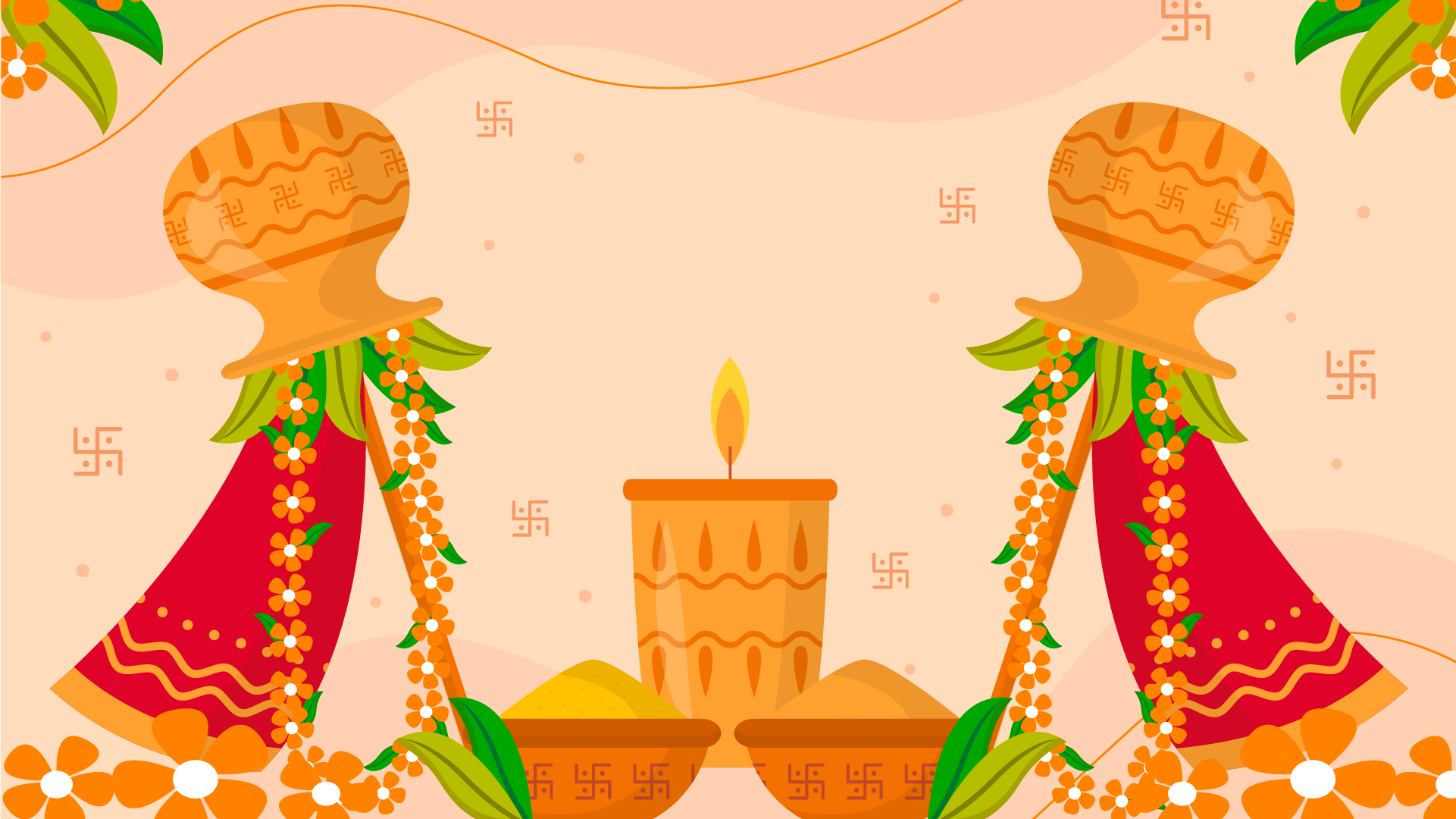
The ritual uses a bamboo stick decorated with colourful cloth, usually an Indian saree, neem leaves, and an upside-down metal pot. Each part has meaning. Neem stands for bitterness and health, while jaggery means sweetness. Together, they remind us that the coming year will have both good and tough times.
This symbolism helps the festival last over time. It does not promise a perfect year, but instead prepares people for real life.

How many states in India celebrate this new year?
Gudi Padwa is celebrated in many Indian states, especially Maharashtra, Karnataka, Andhra Pradesh, Telangana, Goa, and Kashmir, each with its unique name and customs, highlighting the festival’s diversity.
Gudi Padwa is celebrated in many parts of India, especially in Maharashtra, Karnataka, Andhra Pradesh, Telangana, Goa, Kashmir, and some areas in North India.
India’s cultural calendar is very diverse. Different regions use their own systems. For example, Maharashtra uses the lunar calendar, and North India uses the solar calendar. This leads to many names for the New Year. It also shows how each area has its own traditions.
Here are some of the major names associated with this New Year period:
- In Maharashtra, it is called “Gudi Padwa.”
- In Karnataka, it is known as “Ugadi” or “Yugadi.” The celebration includes making Ugadi Pachadi, a dish symbolising life’s flavours, and the name comes from “Yuga” (era) and “Adi” (beginning).
- In Andhra Pradesh and Telangana, it is also celebrated as “Ugadi.”
- In Goa, the festival is similar to Gudi Padwa in Maharashtra. However, Goan customs are blended with unique regional elements that appear in home decorations, foods, and social gatherings.
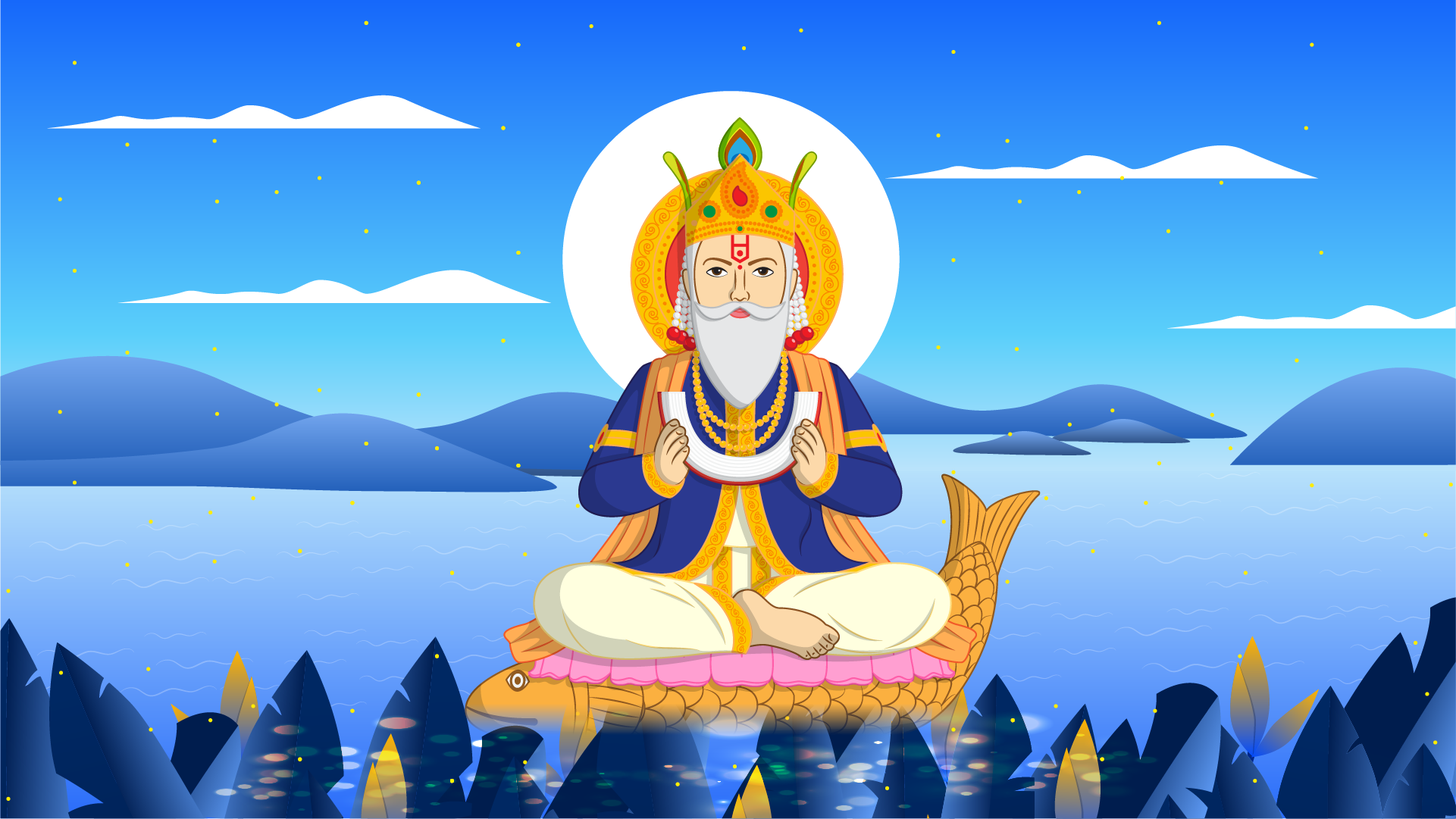
- Among Sindhi communities, it is celebrated as “Cheti Chand,” marking the birth anniversary of Jhulelal, a revered figure.
- In Kashmir, a similar New Year is observed as “Navreh.”
- In Manipur, the Meitei community observes “Sajibu Nongma Panba,” their New Year, around the same time. While sharing the lunisolar calendar, the customs focus on family-centric gatherings and prayers, distinct from the ceremonies of other regions.
These regional differences show that the idea of a “new year” takes different forms across India. Each place uses its customs, rituals, and meanings, such as Maharashtra’s Gudi representing victory and renewal, and Karnataka’s Ugadi Pachadi symbolising various emotions. All are linked by the broader theme of renewal, but each expresses it in its own way.
How do different Indian states celebrate Gudi Padwa?
In Maharashtra, the Gudi is a powerful symbol of victory and renewal. People display it outside their homes during the festival. Preparations include cleaning, making rangoli designs, and cooking special foods like puran poli. The day starts early with an oil bath and new clothes. The Gudi is treated with great respect.
In Goa, Gudi Padwa blends Maharashtrian customs with local traditions. People raise the Gudi and decorate their homes. The coastal culture adds its own special touch to the food and gatherings, making the celebration unique.
In Karnataka, Andhra Pradesh, and Telangana, Ugadi is celebrated by making Ugadi Pachadi, a dish with six ingredients. Each taste stands for a different emotion, like sweetness for happiness and bitterness for sadness. This is a more detailed version of the neem-jaggery mix used in Gudi Padwa.
Cheti Chand is an important festival for Sindhi communities. It focuses on devotion and processions to honour Jhulelal, a respected figure seen as a protector. Many rituals involve water, showing the community’s deep connection to rivers and their history.
Navreh in Kashmir is a quiet, thoughtful festival. Families prepare a special thali with items like rice, coins, and a mirror. Looking at this thali in the morning helps set intentions for the year ahead.
Why does Gudi Padwa fall on the same day as Chaitra Navratri?
Gudi Padwa and Chaitra Navratri fall on Chaitra Shukla Pratipada, marking the start of the Hindu New Year in many parts of India. Although they begin together, the two festivals soon take different paths.
Gudi Padwa is about celebrating the new year with visible actions such as raising the Gudi, cleaning, wearing new clothes, and preparing special food. Chaitra Navratri, which starts at the same time, lasts nine days and is more about inner reflection. Each day honours a different form of goddess Durga, encouraging discipline and self-awareness.
So the reason they fall on the same day is not a coincidence.
The calendar marks a new beginning, but each tradition celebrates it in its own way. One is immediate and visible, while the other unfolds over nine days. Together, they offer a balanced way to welcome the new year—one celebrates the moment, the other helps people grow into it.
What is Chaitra Navratri?
Chaitra Navratri is a nine-day festival that starts with Gudi Padwa and marks the new year in many parts of India. Instead of big celebrations, it is a time for looking inward. Each day honours a different form of goddess Durga, focusing on qualities like strength, patience, and clarity.
In many homes, people wake up early, fast if they can, light a diya, and say prayers. There is no need for anything fancy; the power comes from doing these simple things every day. Over nine days, these small rituals help set a calm, steady pace.
Chaitra Navratri, which happens at the start of spring, is more personal than the lively, community Navratri later in the year. It matches the gentle shift of the season and gives people a chance to quietly reset. The festival encourages starting the new year with calm, discipline, and strength.
- Day 1: Shailputri is revered for stability and fresh starts and is a symbol of power and stability.
- Day 2: Brahmacharini is associated with patience and inner resolve, which stands for commitment and discipline.
- Day 3: Chandraghanta is the symbol of elegance and bravery and is thought to drive out negativity and fear.
- Day 4: Kushmanda is worshipped for vigour and energy, connected to creation.
- Day 5: Skandamata brings peace and nurturing energy, symbolises motherhood, and gives protection.
- Day 6: Katyayani: A symbol of bravery and tenacity, called upon for fortitude in the face of adversity.
- Day 7: Kalaratri symbolises the eradication of fear and barriers as well as the removal of ignorance and darkness.
- Day 8: Mahagauri is a symbol of tranquillity and purity, connected to emotional equilibrium and clarity.
- Day 9: Siddhidatri is a symbol of spiritual understanding and completion, thought to bestow knowledge and wholeness.
Final thoughts.
Gudi Padwa is more than just a cultural tradition. It helps people mark new beginnings and endings in today’s world, with rituals like cleaning, raising a Gudi, and making special foods. The mix of sweet and bitter in the festival’s customs reminds us that life has both good and hard times. This realistic approach keeps Gudi Padwa meaningful as times change.