
Cheti Chand is regarded as a regional New Year celebration for the Sindhi community and holds deeper significance. It reflects community culture, historical narratives, and a subtle endeavor to preserve identity across generations.
Cheti Chand represents the start of the Chaitra month for the Sindhi community and serves as a poignant reminder of their historical journey, resilience, and ongoing connections. This perspective transforms the festival from a mere calendar date into a deeply spiritual experience.
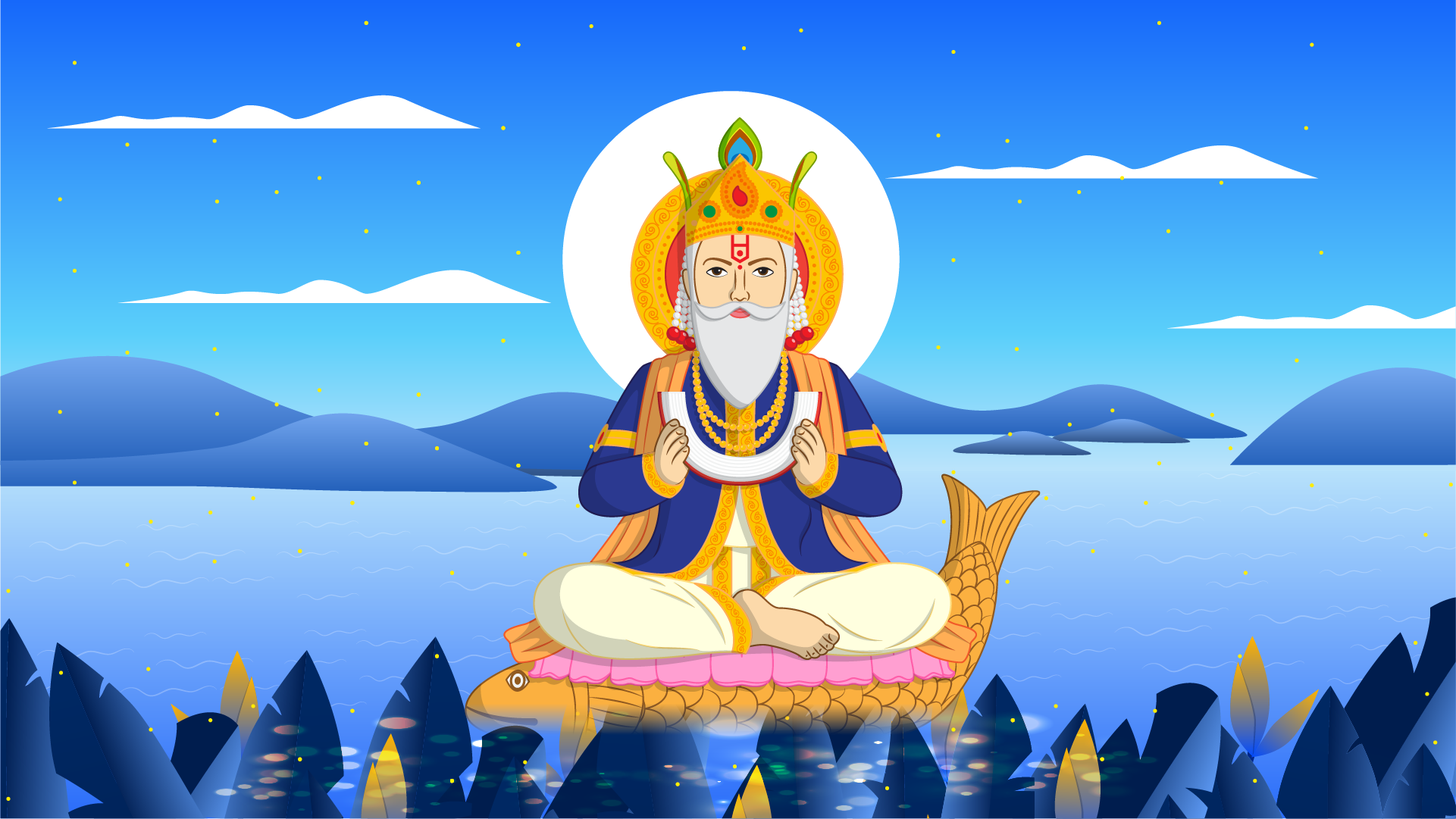
Much of the celebration focuses on Jhulelal, a spiritual figure praised as both a spiritual guide and a symbol of protection. His story resonates with a fundamental human need for reassurance and steadiness in uncertain times, reflecting a shared sentiment among communities, whether viewed through a cultural or devotional perspective.
This article examines the importance of Cheti Chand, focusing on the rituals linked to the celebration and their connection to beliefs and everyday life.
What does Cheti Chand mean?
Cheti Chand falls on the first day of the month of Chaitra, which is when spring starts in the Indian calendar. For many Sindhi families, the day begins with rituals honoring Jhulelal, the revered god who is thought to be a reincarnation linked to water and safety.
Sindhi families come together, make offerings, and share stories that have been passed down through the years. People take a break from their busy lives to reflect on their origins, emphasizing the importance of grounding daily life in enduring ideals for mental stability.
Cheti Chand is a festival celebrated by the Sindhis, and understanding Cheti Chand requires insight into the culture of the Sindhi people.
Who are the Sindhis and where do they come from?
The Sindhi community comes from the historic region of Sindh along the Indus River in what is now Pakistan. The word “Sindhi” comes from “Sindhu,” which is the Sanskrit name for the Indus River. This river is one of the oldest centres of civilisation in South Asia.
Sindhis are an important part of the Indian subcontinent’s history because they are part of its native culture. Their identity goes back to the Indus Valley Civilization (around 2500 BCE), showing how deeply connected they are to this old area.
Sindh has changed over the years as a place where different cultures have come together, including Vedic traditions, Buddhism, and Islamic rule. This has led to the creation of a unique and adaptable Sindhi culture. This long history has changed its language, trade, and religious practices to fit with all the different influences.
The partition of India in 1947 was a significant event, and many Sindhi Hindus moved from Sindh to India, especially to cities like Mumbai, Ulhasnagar, Ahmedabad, and Pune.
Who was Jhulelal Bhagwan, and why do people worship him?
Sindhi Hindus see Jhulelal Bhagwan as an important spiritual figure. There is no definitive historical record of his birth year; however, most accounts indicate that he resided in the Sindh region during the 10th century CE.
At that time, Sindh was ruled by a local leader named Mirkhshah. Some Hindus were forced to convert, so they prayed to the river Indus for protection. The story of Jhulelal comes from the prayers.
Juhulelal Bhagwan is thought to have been born Uderolal (or Uday Chand) in a village near the Indus River. People in his community eventually recognized him as a guide and protector because he was so calm and wise as a child.
Jhulelal’s story shows how he stood up to the ruler and fought for religious freedom and living together. Over time, his image transformed from that of a respected leader to being regarded as divine, reflecting a trend in Indian traditions where influential historical figures are revered as spiritual icons for their significant legacies.
People worship Jhulelal as a god who represents protection, unity, and faith.
Cheti Chand is a time when people celebrate him the most. His worship is a reflection of the real-life experiences of the Sindhi community. It gives them comfort in times of doubt and has been passed down through the generations.
Jhulelal Bhagwan’s story emphasizes themes of perseverance and hope, illustrating how narratives can help individuals navigate difficult circumstances by fostering communal bonds and belief in a higher power.
What is the Beharana Sahib ritual?
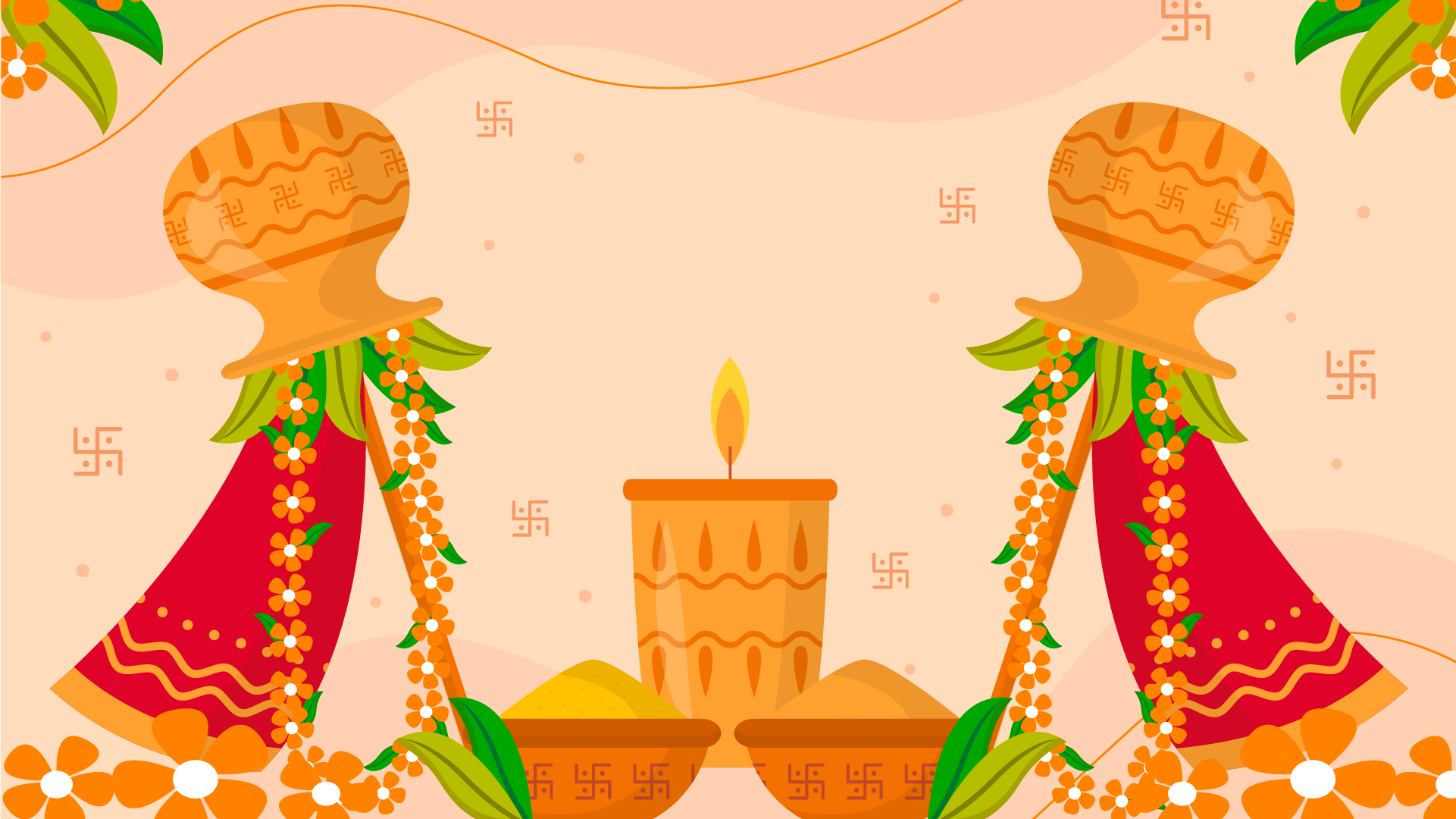
Behrana Sahib is a decorated thali that contains elements such as a jyot (oil lamp), kalash with water, flowers, fruits, coconut, sweet offerings, and occasionally an idol or image of Jhulelal.
Each of these is chosen with intent.
- The lamp represents light and awareness.
- Water reflects life and the connection to the Indus River.
- The coconut and fruits symbolize completeness and gratitude.
The preparation of Behrana Sahib is a communal activity often done at home, emphasizing care and involvement from families, especially younger members who learn through observation. The ritual is unhurried, allowing for a thoughtful arrangement of items.
Once prepared, the Behrana Sahib is carried in a public procession, accompanied by music and devotional songs, transforming the ritual from a private act of devotion into a shared cultural expression. The procession culminates at a water body, like a river or lake, where offerings are symbolically immersed or presented, highlighting Jhulelal’s connection to water.
Behrana Sahib unites belief, memory, and community through accessible symbols, enabling clear expressions of faith. It acts as a cultural anchor for communities such as the Sindhis, offering continuity and aiding in the preservation of identity during displacement and geographic changes.
What does Cheti Chand mean to people in India?
Cheti Chand, the first day of Chaitra in the Hindu lunar calendar, marks the beginning of the Sindhi New Year. It symbolises renewal, thankfulness, and cultural identity for the Sindhi community, similar to Gudi Padwa for the Marathi and Konkani communities in India.
Cheti Chand illustrates that while cultural practices evolve, their core components remain intact over time. Contemporary celebrations often feature community events, cultural programs, and online engagement, highlighting the importance of preserving essential cultural elements amid change.
Cheti Chand gives younger people a way to connect with their heritage and learn about their cultural background on their own terms. This stresses how important it is for people to be involved with their own identity.
The festival adds to India’s cultural diversity by adding another layer to the complex social fabric that is made up of different calendars, traditions, and stories that all exist at the same time.
Significance of Cheti Chand in India
First, it shows how important it is for groups to remember things. In a world that moves quickly, remembering where you came from helps you understand and make smart choices that go beyond your current situation.
Second, it shows how important it is to be part of a community. Festivals like Cheti Chand show how important it is to have shared experiences in building emotional support systems that can’t be replaced, which is different from the usual focus on individual success.
Third, it shows that you can get back up again. The Sindhi community, which was forced to leave their homes and is now unsure of what will happen next after the partition of India, has shown strength by continuing cultural practices like Cheti Chand, which helps them keep their identities in times of change.
These lessons aren’t just thoughts. You can use them right away. Whether you’re working on a personal project or a creative one, it’s important to keep things going, be flexible, and be part of a community.
Final thoughts.
The Cheti Chand Festival is important for more than just one day or one community. It helps people think about time, identity, and connection. It shows patterns that are common to many festivals, which lets people, no matter what their connection to the Sindhi community, renew their identities. The festival changes over time, but its core values stay the same. This shows how important community is through shared traditions.

Leave a Reply