Tapolok is a key element of Hindu cosmology, representing a realm of ascetic power, meditation, and divine knowledge. It serves as a bridge connecting the mortal world with the pure truth of Satyalok.
Read what Tapolok is, detailing its historical and contemporary citations from the Vedas and Upanishads.
What is Tapolok?
Tapolok is defined and designed by austerity (tapasya), meditation, and transcendent wisdom. Most religious texts say that it is a heavenly realm or “Lok” that is above “Janalok” and below “Satyalok,” which is the highest level of existence in the material world.
The name comes from the Sanskrit word “tapas,” which means “heat,” “austerity,” or “spiritual penance.” This shows what kind of people live in this high world. Beings in Tapolok prioritize deep self-reflection, spiritual practice, and self-control over pleasure and indulgence, driven by a strong will and conscious energy akin to pure consciousness.
Who inhabits Tapolok?
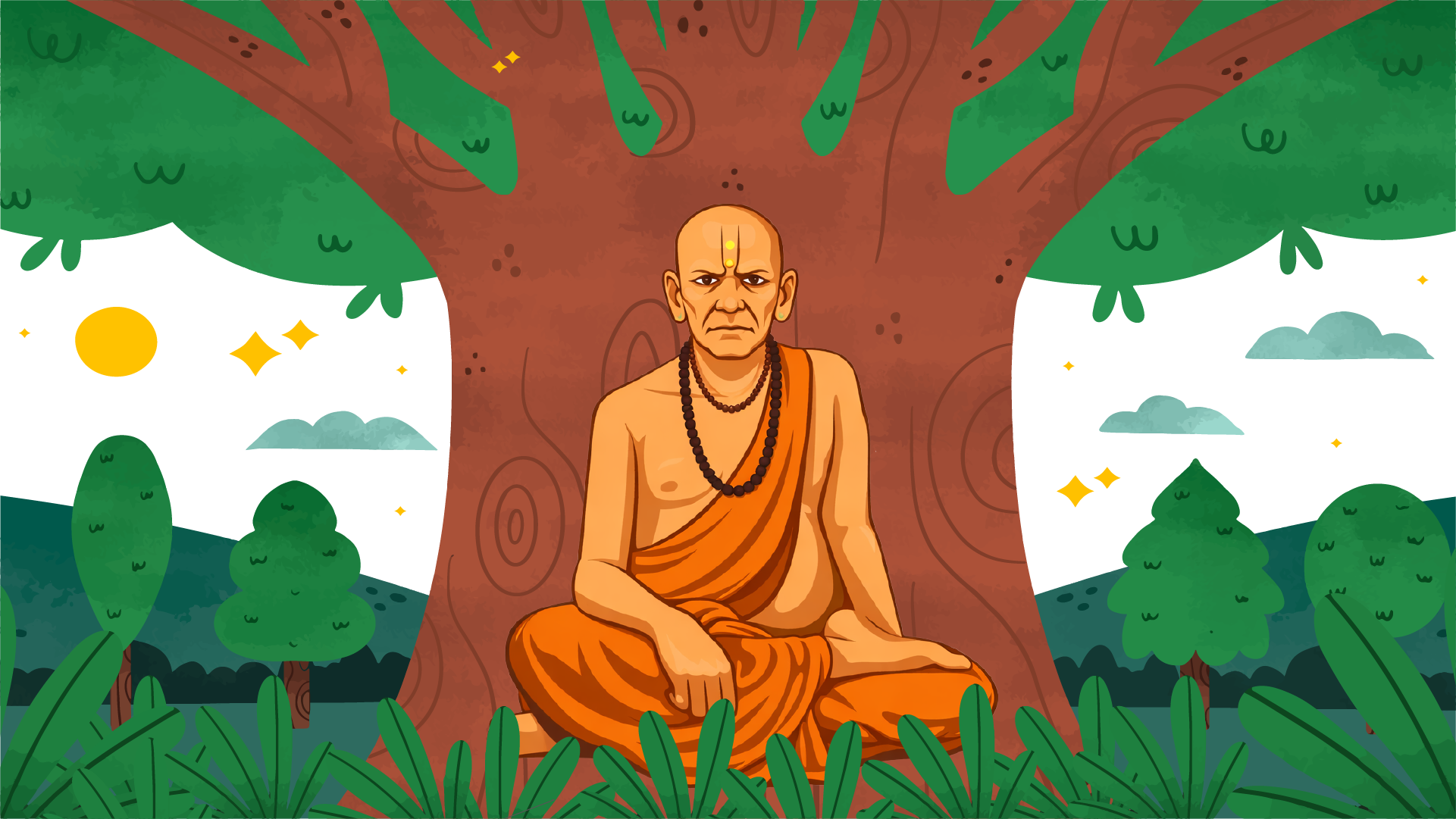
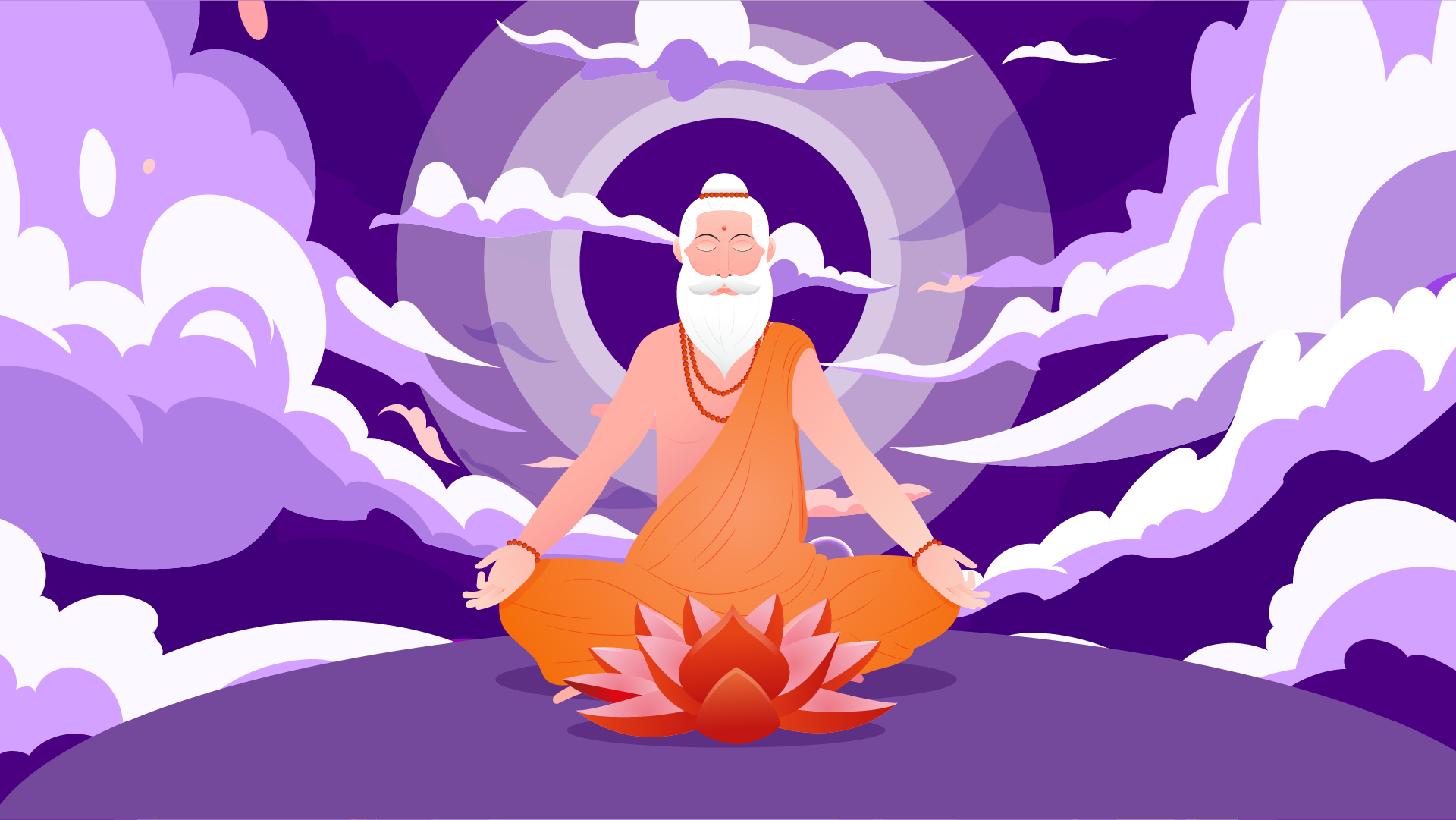
Only ascetic beings, deep yogis, and gods who perfected strict disciplines over many lifetimes live in this holy place. For example, the Vaibhrajas, also known as Vairajas, are significant spiritual beings noted in the Vishnu Purana and other Puranic texts. Described as immortal sages, they have transcended desire and karma through rigorous tapas (penances) performed on earth or in lower realms. Their spiritual achievements have granted them residency in Tapolok.
Who were the Vaibhrajas, or Vairajas?
The Vaibhrajas, also known as Vairajas, are recognized as a distinct group of divine deities or ancestral manes (Pitṛs) within Hindu mythology, particularly associated with the celestial realm of Tapolok. Their characteristics set them apart as divine beings that are immune to fire, showcasing significant yogic powers.
Various texts further depict them as either “formless” or as taking on spiritual forms, creating a contrast with other Pitṛs who are typically represented in physical forms.
Numerous celestial beings, including devas, yakshas, gandharvas, and nagas, who perform oblations to reach their dwelling places, revere them and believe that doing so will increase their ascetic powers.
According to scriptures, those described as having “fallen from Yoga” must undergo rebirth as humans at the end of a kalpa to achieve liberation through sānkhya and yoga practices.
The mythic cosmology: Where is Tapolok?
According to Hindu cosmology, the universe as made up of fourteen worlds (lokas), seven of which are lower and seven of which are higher. When you count from Bhulok (Earth) as the first, Tapolok says it is the sixth of the upper realms. The lokas, in order from lowest to highest, are Bhulok, Bhuvalok, Svarlok (Svarga), Maharlok, Janalok, Tapolok, and finally, Satyalok or Brahmalok at the top.
The Vishnu Purana and other Puranic texts provide precise measurements indicating that Tapolok is located “above Dhruvapada by eleven crores of yojanas,” which roughly translates to hundreds of millions of miles above the Earth’s surface.
A yojana is approximately 8 miles, although varying definitions exist in different texts. This immense distance signifies the spiritual and subtle nature of Tapolok, emphasizing that it is not a physical location accessible by travel but rather a metaphysical realm attainable through mental and spiritual endeavors.
Origin of Tapolok?
Since the beginning of time, Tapolok has drawn people who want to live simply and meditate. According to the Vedas and Puranas, the first people to live there were the rishis, who were immortal sages who didn’t get involved in the world and did harsh penances to learn the highest truths.
The Kumaras are the most talked about of these. They refused to take part in creation and instead chose to wander the cosmos as celibate seekers, eventually settling in Tapolok.
Also, the Vairajas and other types of devas (godlike beings) whose tapasya went beyond the limits of karma were said to have found a home in Tapolok. So, only those who give up lower pleasures in search of absolute truth can live in Tapolok.
According to the cosmology of the Puranas and modern interpretations in Hindu traditions, Tapolok is still home to the Kumaras, the Vairajas pitrs (ancestral beings), and other advanced yogis who have moved beyond the temptations of material existence. These people are said to be always meditating, always in touch with pure knowledge, and able to see both the dissolutions and renewals of the physical universe.
People say that Tapolok stays intact even during cosmic dissolutions (pralaya) that happen from time to time. People who live there are warned about the destruction that is coming, which gives them the option to leave for the spiritual realms if they want to. This persistence shows that the Tapolok is outside of the normal cycles of birth, death, and dissolution.
References from ancient Indian scriptures.
The Vedas talk about a universe with many layers, some of which are reserved for people who want to learn about and practice spirituality.
The term “Tapolok” is defined in later Puranic and Vaishnavite texts, but the Rigveda talks about worlds that can be reached through sacrifice and tapas. The Rigveda doesn’t say Tapolok by name, but it does have verses that talk about the soul (jiva) moving from the earth to higher states through yajna and self-control.
According to Vishnu Purana, Tapolok is a heavenly home for the Vairajas, located at a very large distance above the North Star. The Puranas also claim that Tapolok is a place that is immune to the periodic destruction of the material world. This is a metaphysical reality that is based on tapas instead of karma.
In Upanishadic literature, especially when it comes to secret knowledge and what happens to souls after they die, higher realms are talked about as things that can be reached through meditation, renunciation, and wisdom.
The Chandogya and Brihadaranyaka Upanishads both talk about how the soul (atman) rises through higher and higher levels until it becomes one with the highest. They focus more on the process than on the exact locations, but they lay the doctrinal groundwork for Tapolok’s cosmological importance.
The spiritual essence of Tapolok.
Tapolok is a state characterized by the notion that strictness can be enjoyable, silence serves as a mode of communication, and relinquishing attachments leads to profound happiness. This state signifies the complete overcoming of desires and distractions, allowing an individual to experience inner truth. Tapolok reflects key Upanishadic principles such as renunciation, education, and meditation, subsequently inspiring numerous generations of yogis and spiritual seekers in their journeys.
Tapolok isn’t just a mystical place for people who are looking for something today. It is an example of the highest level of achievement that can be reached through tapas: direct, unmediated consciousness and being with the most advanced and enlightened beings. The path to Tapolok starts with giving up things, gets deeper through meditation, and ends with knowing oneself and one’s spirit completely.
Final thoughts.
In Hindu cosmology, Tapolok represents a pinnacle of spiritual achievement, exemplifying how penance (tapasya) and knowledge can transform an individual. Legendary figures like the four Kumaras and Vaibhrajas reside there, and it serves as an aspirational realm for those looking to transcend ordinary life.
Tapolok is characterized by its stillness, spiritual power, and inner radiance, guiding seekers through the teachings found in the Vedas, Puranas, and Upanishads. It acts as a beacon for individuals striving for freedom, wisdom, and an authentic sense of happiness.