Imagine living in a time when encyclopedia books dominated bookshelves, letters took several days to arrive, and attending a live performance required you to be there present at the concert venue in person.
Before the internet, the radio, newspapers, and television were the only ways for people to exchange thoughts and cultural transformation. Even communicating with distant friends and family members required the use of an expensive wired telephone or the extremely slow postal service for postcards and letters.
It was extremely difficult to learn about foreign customs or concepts back then. It was necessary to either read books or travel to explore different cultures and their customs.
Creativity was often limited to physical mediums, and voices from the underprivileged or remote regions rarely reached a global audience. The pace was slower, the scope was narrower, and access to information was primarily a privilege rather than a requirement.
The emergence of the World Wide Web fundamentally changed how we define privilege and necessity. Today is World Wide Web Day, a celebration of one of the most revolutionary inventions in history.
About World Wide Web Day
It’s hard to imagine modern life without the internet. From ordering food to learning new skills to discovering art from around the globe, the internet is a vital and dynamic part of our cultural fabric.
World Wide Web Day is observed on August 1st to honor the creation of the World Wide Web and its influence on world culture. It honors the inception of the web’s capacity to connect individuals, ideas, and societies across the globe.
Simply put, it’s a day to recognize how the internet has transformed our lives by facilitating communication, learning, and sharing with people globally. People who previously lacked a platform can now share their thoughts, experiences, and opinions with the world.
Why do we celebrate World Wide Web Day?
In 1989, Sir Tim Berners-Lee developed the World Wide Web to enable academics and scientists to access documents from various computers.
This invention offered everyone the opportunity to be heard, whether they are young authors, small-town artists, or people with a distinct viewpoint. Additionally, it enabled people to communicate from around the world, learn things we previously couldn’t, and explore new cultures.
People started exploring artistic expression, honoring diverse cultures, and contributing to the creation of an online community where everyone is inspired, visible, and respected.
The internet is a cultural revolution as well as a technological one. It changed the way we connect, communicate, study, and even dream. Therefore, we celebrate World Wide Web Day to reflect on how far we have come.
Let’s walk through the timeline of the internet and explore how each major milestone has reshaped the very fabric of our global culture.
The Early Days (1989–1995)
Sir Tim Berners-Lee established the World Wide Web in 1989, enabling document linking and accessing over the internet. Consequently, the first website was created at CERN and went live on December 20, 1990. Its web address was: http://info.cern.ch
The website, the foundation of the World Wide Web, provided a basic explanation of the web, hypertext links, and their potential applications. It laid the foundation for the online world we live in today.
The early internet was unregulated, unpolished, and filled with possibilities, resembling an experimental art exhibition. Scholars, researchers, and early tech enthusiasts were drawn to the internet as it allowed for human expression and data exchange.
Later, the web browser applications revolutionized the web by enabling visual browsing and transforming it from a scientific tool to a cultural platform.
Tech Giants Bloom (1995–2004)
Giants like Google (1998) and Amazon (1995) arrived in the late 1990s. Suddenly, anyone with a dial-up connection could access books, music, and goods from all around the world. As the web expanded, it started to democratize access to ideas and culture in addition to business.
Personal websites and blogging systems grew in popularity. The internet became your stage, whether you were a musician or a poet. Local voices began to reach audiences throughout the world.
The era saw the rise of digital community spaces, such as forums and social networks, enabling people to form interest-based tribes based on their passions.
The Cultural Explosion (2004–2010)
The cultural explosion began in the mid-2000s. The introduction of Facebook (2004), YouTube (2005), and Twitter (2006) made the internet a place you lived on rather than just a place you visited. Individuals were now producers, influencers, and creators rather than only passive consumers.
Imagine a world where a thoughtful blog post has the potential to start a worldwide movement. The social media platforms could serve as a catalyst for content dissemination.
The introduction of memes, emojis, and hashtags led to the emergence of new digital dialects in the fields of humor, fashion, language, and art.
Once specialized, online lingo started to appear in common discourse. Musicians were no longer required to record agreements, and artists no longer required galleries.
The culture went from isolated to inclusive.
Activism, Awareness, and Identity (2010–2020)
With the proliferation of cellphones and the decline in data costs, the internet became a necessity during this time rather than a luxury. This accessibility led to an online community that became more socially conscious.
The impact of internet culture on offline justice was demonstrated by hashtag actions such as #MeToo or #BlackLivesMatter.
Through blogs, podcasts, and Instagram profiles, people started to recover suppressed history, explore their ancestry, and promote indigenous or regional customs. The internet provided a platform for cultural preservation and identity inquiry.
Slowly, the “creator economy” began to emerge.
Patreon and Kickstarter platforms enabled artists, writers, and filmmakers to bypass traditional institutions, fostering a more personal, independent, and diverse culture.
Impact of COVID-19 (2020)
A profound cultural change brought about by the COVID-19 epidemic was the virtualization of almost everything. Rituals were adapted to screens, concerts were digitalized, weddings were webcast, and schools went online.
The internet became a symbol of cultural lifeline. It preserved customs, connections, and the creative process. A new cultural awareness that emphasized digital connectivity, empathy, and resilience came into being.
The pandemic demonstrated that culture never stops changing and that the internet is its most effective tool for doing so.
The Present and Beyond
Today, we are on the verge of another cultural revolution.
Artificial intelligence (AI) tools such as ChatGPT, text-to-image generators, and music-making algorithms are transforming our understanding of creativity. At the same time, Web3 and blockchain promise decentralized ownership of art, identity, and community.
However, new questions are brought up by these technologies:
What does originality mean?
In a decentralized world, who controls culture?
A Moment to Reflect
World Wide Web Day encourages reflection on mindful web usage, community building, and protecting cultural diversity, promoting mindful consumption and community building.
As creators, artists, and storytellers, we have the power to transform the web into a space of inspiration, rather than noise.
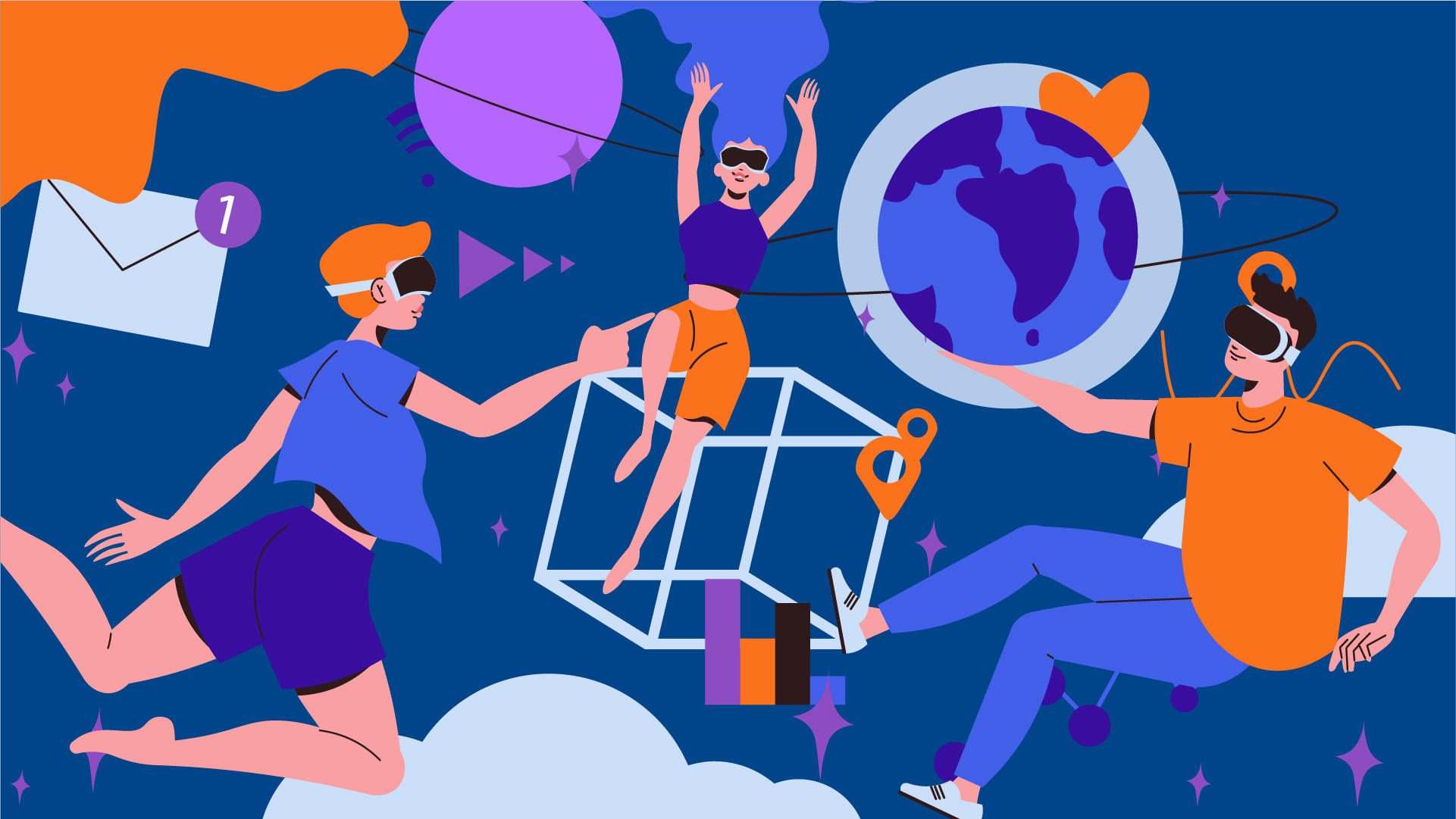
The future of the web is expected to be even more immersive as augmented reality, blockchain, AI, and Web3 become more prevalent. The primary goal of future web technologies should focus on connecting people, ideas, and cultures.
In addition to being a network of computers, the World Wide Web is a network of tales, dreams, and humanity. Let’s honor the beauty it adds to our lives and our duty to improve it for coming generations on this significant day.
Therefore, today is also your day, regardless of whether you’re a teacher, blogger, singer, digital artist, or just someone who browses and shares.
Cheers to World Wide Web Day!