Diwali is more than just a celebration of lights; it’s a five-day journey through stories, feelings, and meanings. One of the most important celebrations is Diwali Padwa, which also coincides with Govardhan Puja and Bali Pratipada.
The word “padwa” comes from the Sanskrit word “pratipada” and means “the first day of the moon’s bright phase” in Marathi. When used in the context of the festival Diwali Padwa, it represents the start of the new year.
Read what Diwali Padwa means in Maharashtra, why we celebrate Bali Pratipada, and why Govardhan Puja is so important in India.
Cultural significance of Govardhan Pooja, Bali Pratipada, and Diwali Padwa in India.
Diwali Padwa is a spiritually and emotionally rewarding day.
In North India, it is called Annakut or Govardhan Puja, and it celebrates Krishna’s protection of people and nature. In Gujarat, the New Year begins with business owners opening new ledgers and asking for blessings.
South India celebrates King Bali’s return with a festival that encourages modesty, joy, and reunion. As the event moves to different parts of the world, it becomes more culturally rich and fun.
Cultural significance of Diwali Padwa in Maharashtra.
Bali Pratipada and Govardhan Puja are celebrated on the fourth day of the Diwali festival. It symbolizes the triumph of humility and devotion over pride and the potential for reconciliation between husband and wife.
Maharashtra celebrates this day to praise joyful families and marriages. People in North India remember the day when Lord Krishna raised the Govardhan Hill to protect the people of Gokul from Lord Indra’s heavy rain. People in Maharashtra name Diwali “Padwa” or “Bali Pratipada.”
What is the meaning of Bali Pratipada?
There are two meanings: one is for the people, and the other is for the soul.
1. Saubhagyavati Padwa is a day of affection for married people.
In Maharashtra, Diwali Padwa is a lovely celebration of the love between a husband and wife. People think that King Bali got to rule the underworld on this day, even though he could only go there once a year. This homecoming implies a lot: success, abundance, and the triumph of dharma.
In Maharashtra, married women do various rituals for their husbands. They put haldi-kumkum on their foreheads, do aarti, and pray to God to keep their husbands happy and healthy. Husbands show their love and respect for their spouses by giving them presents, jewels, or sarees.
In Maharashtra, Padwa is one of the most important Diwali festivals, exactly like Karva Chauth is in North India. People, on the other hand, have a more pleasant and joyful manner of celebrating it.
2. A sign of wealth and a fresh start for traders and companies.
Indian businessmen pray to Goddess Lakshmi and Lord Vishnu for money and good luck while honoring farmers’ tools and animals. This day highlights how vital farming and hard work are for our economy.
It also involves maintaining a sense of peace, nurturing positive connections, and expressing gratitude for everything that supports our lives.
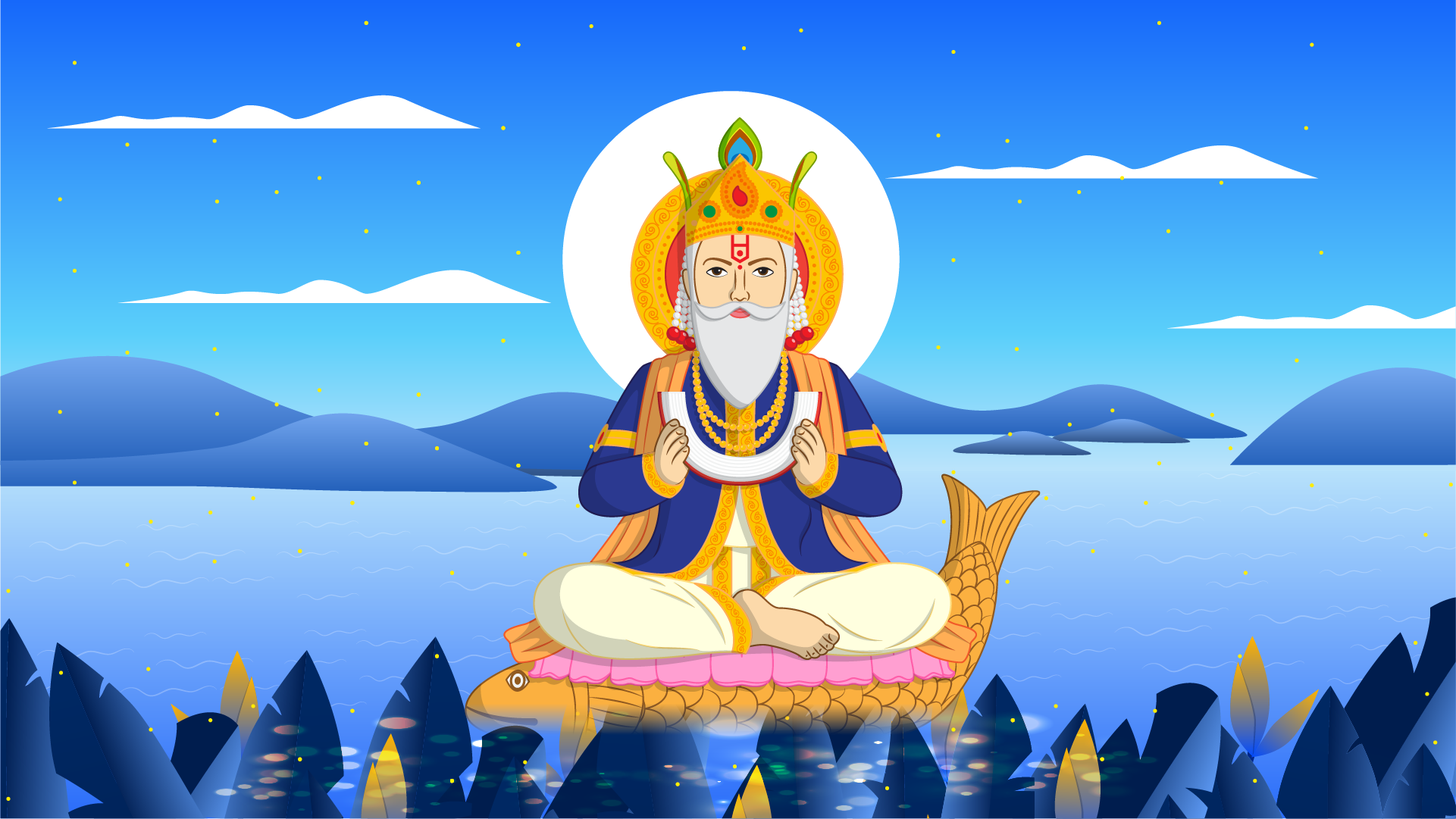
Bali Pratipada: The story of King Bali.
To have a better idea of how important Bali Pratipada is, we should read about Mahabali, a noble but ambitious monarch who is referenced in the Vishnu Purana and other historical writings.
King Bali was the grandson of the well-known devotee Prahlada. People thought he was kind and faithful, much like his grandfather. His realm was lovely, rich, and fair while he was in charge.
But the Devas (gods) became scared of him as he got more famous and strong. This is why Lord Vishnu took on the form of Vamana, a little, poor Brahmin.
Vamana went to see King Bali and asked for a small gift: three steps of land. Even though his mentor Shukracharya cautioned him that Vamana was not a normal Brahmin, Bali was kind enough to do what Vamana wanted.
Upon making the pledge, Vamana grew in size. With the first step, he covered the earth; with the second, the sky; and with the third, Bali dropped his head in shame.
Vishnu then assigned him to rule the Patal Lok (underworld), but because he was so humble and devoted, he granted him a gift: “Every year on this day, you can go back to your kingdom and see your people.” On the day after Lakshmi Puja, they celebrate Bali Pratipada.
It means that “humility and devotion win over pride.”
What does Bali Pratipada mean in a spiritual way?
Bali Pratipada teaches you a lot about being devoted, humble, and willing to give up everything.
King Bali was ready to give up everything, even his life, to show that God’s truth is more important than his own. Many people in Maharashtra and South India are greatly looking forward to seeing King Bali today.
He is the best king because he is kind and just and cares about his people. People use the Rangoli patterns of King Bali and Vamana to make their homes look nicer. These patterns symbolize the return of wealth and brightness following the triumph of honesty and humility.
Story of why we celebrate Govardhan Puja?
A long time ago, people in Vrindavan used to pray to Lord Indra, the god of rain, to help their crops thrive. Also, the cows and Govardhan Hill offered them water and food. People in the vicinity agreed with Krishna and decided to ignore God Indra. Indra was frustrated that they didn’t listen, so he sent a storm with a lot of rain on Vrindavan.
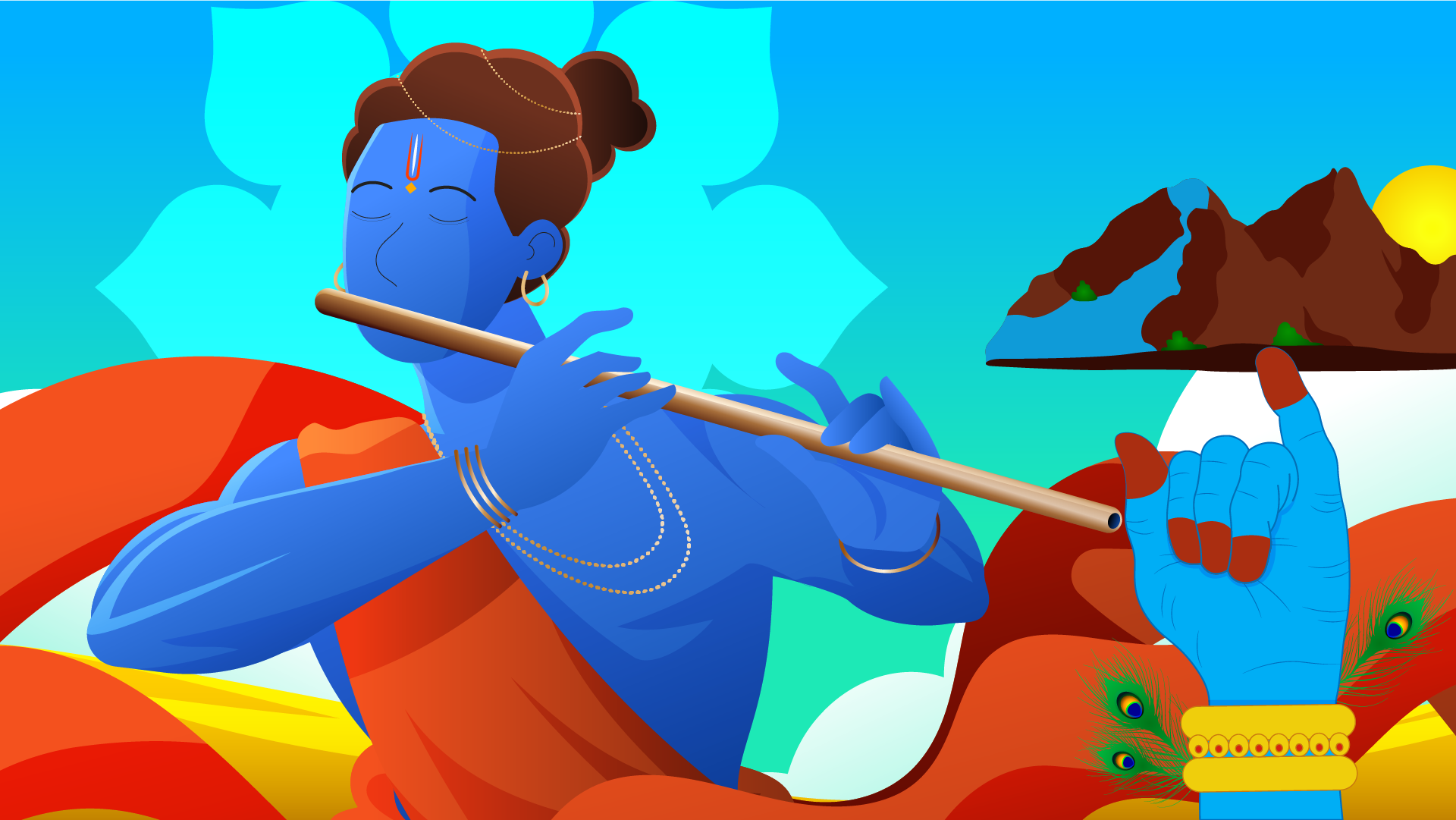
With just one finger, Krishna raised the huge Govardhan Hill so that people and animals might live there. The storm kept everyone secure behind the hill for seven days and nights. Indra finally understood he was wrong and knelt down in front of Krishna, recognizing Krishna’s power.
Govardhan Puja is a celebration of the day when people were thankful for nature and God’s grace, and humility won out over pride.
Govardhan Puja rituals in India.
- In North India, notably in Uttar Pradesh, Haryana, and Bihar, people create little Govardhan hills out of cow dung and put flowers and food on them.
- Annakut (Mountain of Food) is made, where devotees present Lord Krishna a wide choice of vegetarian dishes as a sign of plenty and thanks.
- There are major Govardhan Annakut festivals in temples like Dwarkadhish in Mathura and ISKCON temples all throughout India.
During these ceremonies, people give the god sweets, fruits, and other treats in beautiful displays. The spiritual significance of Govardhan Puja is to honor the things that nourish life and the natural environment.
Lord Krishna adds that being thankful for and believing in the earth and its parts is just as sacred as worshiping gods. It also teaches you to be modest. Indra teaches us that it’s better to be honest and fair than to be prideful. The Main Idea Behind Govardhan Puja, Bali Pratipada, and Diwali Padwa Even though the titles are different, the core ideas are still extremely apparent.
Final thoughts.
This day emphasizes the importance of gratitude, love, and closeness to others. It highlights King Bali’s self-sacrifice for Krishna’s protection, the love shared between husband and wife, and the appreciation of nature, emphasizing the importance of humility and devotedness.
This day teaches us to be humble, love nature, and respect each other. They encourage love, gratitude, and respect in relationships. New homes and businesses bring optimism, promoting spiritual and emotional renewal.