Hindus celebrate Deepavali as one of their most holy and happy holidays. On this special day, homes are full of diyas, hearts are full of gratitude, and prayers go up to the heavens asking for the blessings of Goddess Lakshmi, who is the embodiment of wealth, purity, and good luck. But the story of this holy day goes beyond the rituals; it has a deep spiritual and timeless meaning.
The Hindu month of Kartika’s Amavasya (new moon night) is when Laxmi Pooja is celebrated. In ancient India, this day meant the change from darkness to light and from not knowing to knowing.
The festival also honors the harvest season in rural India, when farmers thank the goddess for their good crops and ask for more in the future. During Deepavali, Laxmi Pooja combines spiritual devotion, the cycles of nature, and the work of people.
The mythological origins of Laxmi Pooja
Hindu texts say that Goddess Lakshmi came into being during the Samudra Manthan, which was the divine churning of the cosmic ocean. As she sat on a lotus among other heavenly treasures, she looked beautiful and full of life. Her presence restored equilibrium and prosperity to the cosmos. She chose Lord Vishnu as her eternal partner, which means that grace and protection are now one.
During Deepavali, people celebrate Laxmi Pooja to remember this cosmic event and to remind themselves that wealth should always come from being pure and doing the right thing. Lakshmi’s light is more than just material success; it also represents spiritual clarity and peace of mind.
The deeper meaning of Goddess Lakshmi: The Sanskrit word for Lakshmi, “Lakshya,” means “goal” or “purpose.” So, worshiping her during Deepavali means making important plans for the next year. These plans should be based on being thankful, living a good life, and working hard.
There are eight different forms of her, called the Ashta Lakshmi, and each one stands for a different blessing:
- Goddess Adi Lakshmi is the first energy that made everything.
- The goddess of wealth and plenty is Dhana Lakshmi.
- Goddess Dhanya Lakshmi gives food and other things that people need.
- Goddess Gaja Lakshmi means power and respect.
- Goddess Santana Lakshmi gives families money.
- People get strength and courage from Veera Lakshmi.
- Vijaya Lakshmi is the goddess of victory and success.
- Goddess Vidya Lakshmi gives us knowledge and wisdom.
During Laxmi Pooja on Deepavali, devotees call on these eight forces to ask for wealth that is fair in all areas of life.
Deepavali Laxmi Pooja: Customs and Ceremonies
The ceremony in the evening starts after the sun goes down. People light diyas in their homes to welcome the goddess. Every part of the ritual shows that you are pure, have good intentions, and are grateful.
- Cleaning and decorating a home is a sign of getting rid of negative energy.
- Making rangolis and decorating with marigold flowers, lotus patterns, and Lakshmi’s footprints to decorate doorways asks for her blessings.
- Praying to Lord Ganesha, who removes obstacles, at the start of every good prayer.
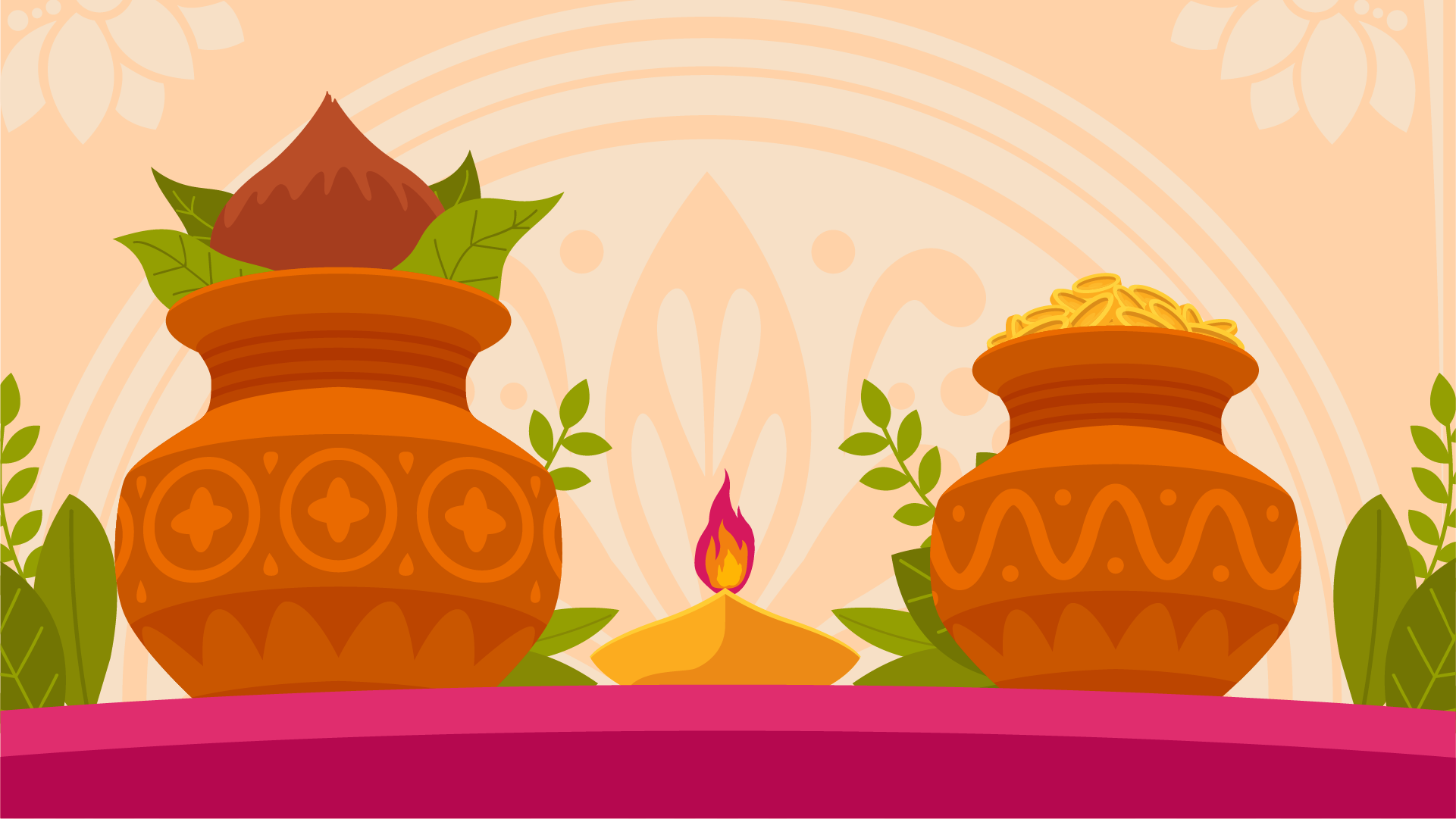
- Kalash Sthapana is a ritual of setting up a holy pot of water with mango leaves and a coconut on top, which is put in front of the god.
- Everyone enjoys sweets, fruits, coins, turmeric, kumkum, and flowers as offerings (Naivedya).
- Families sing hymns and do the Lakshmi Aarti to show their love and bring in good energy.
People put diyas in front of their doors, balconies, and courtyards to show Goddess Lakshmi the way into their homes. Laxmi Pooja in Deepavali goes from being a physical ritual to a spiritual cleansing when you do these things. This shows that light wins over darkness.
What do light and money mean during Laxmi Pooja in Deepavali?
Diyas are a symbol of the light that comes from the mind and spirit. Taking care of your home is like getting rid of pride, greed, and jealousy in your heart. People care about each other and build relationships when they give and get sweets and gifts.
The goddess Lakshmi sits on the lotus. Because it grows in the mud but is unaffected by it, it stands for purity and detachment. So, real wealth isn’t just about having a lot of money; it’s also about having good character, good relationships, and a strong sense of spirituality.
Customs and traditions in different parts of India
Laxmi Pooja is celebrated during Deepavali, which shows how different India’s spiritual fabric is:
In northern India, this day is a celebration of Lord Rama’s return to Ayodhya after defeating Ravana. People lit lamps to greet him when he got home, which is how the modern Deepavali festival began.
In western India, traders follow a ritual called “Chopda Poojan” to mark the start of a new year in a symbolic way. During Chopda Poojan, business owners close their old ledgers and open new account books while praying to Lakshmi for money and good luck. This ritual is still part of Diwali traditions in Gujarat, Maharashtra, and Rajasthan.
In eastern India, this day is marked as “Kali Puja,” when people worship both Goddess Kali and Goddess Lakshmi. Lakshmi stands for abundance, and Kali stands for protection.
In southern India, Deepavali is a celebration of Lord Krishna’s victory over Narakasura, which is a symbol of good winning over evil.
The main idea is still the same, though the stories are different: celebrating light, wealth, and wisdom.
The spiritual importance of Laxmi Pooja in Deepavali
During Deepavali, Laxmi Pooja has a deeper philosophical meaning. Hindu philosophy says that people can only be truly prosperous if they live cleanly, work honestly, and give freely. People say that Goddess Lakshmi lives in places that are clean, organized, honest, and devoted.
The light from the diyas reminds us that every flicker of light is a sign of wisdom that drives away ignorance. People who worship the goddess invite her into their homes and light into their souls by being kind, doing the right thing, and living a life of prayer.
Final thoughts
Goddess Lakshmi’s devotion is not just a celebration of wealth; it is also a holy promise between people and gods. It tells us to be grateful, to grow light inside ourselves, and to find a balance between wanting things and doing the right thing.
The festival’s light is more than just lamps; it is the light of peace, purity, and awareness. As diyas light up homes this Deepavali, may Goddess Lakshmi bless every heart with a life full of goodness and prosperity, and may that life