Garba and Dandiya are not just folk dances; they embody the vibrant spirit and deep-rooted traditions of Indian culture. Cities in India become vibrant during Navratri, inviting people of all ages to participate in circles that celebrate life, spirituality, and community. Yet, behind their vibrant dance moves and stunning costumes lies a deep history, brimming with significance and belief.
The origin of Dandiya and Garba dance.
Garba has its roots in ancient Gujarat, where its dances and rituals were deeply connected to honoring the goddess Durga and celebrating the concept of fertility.
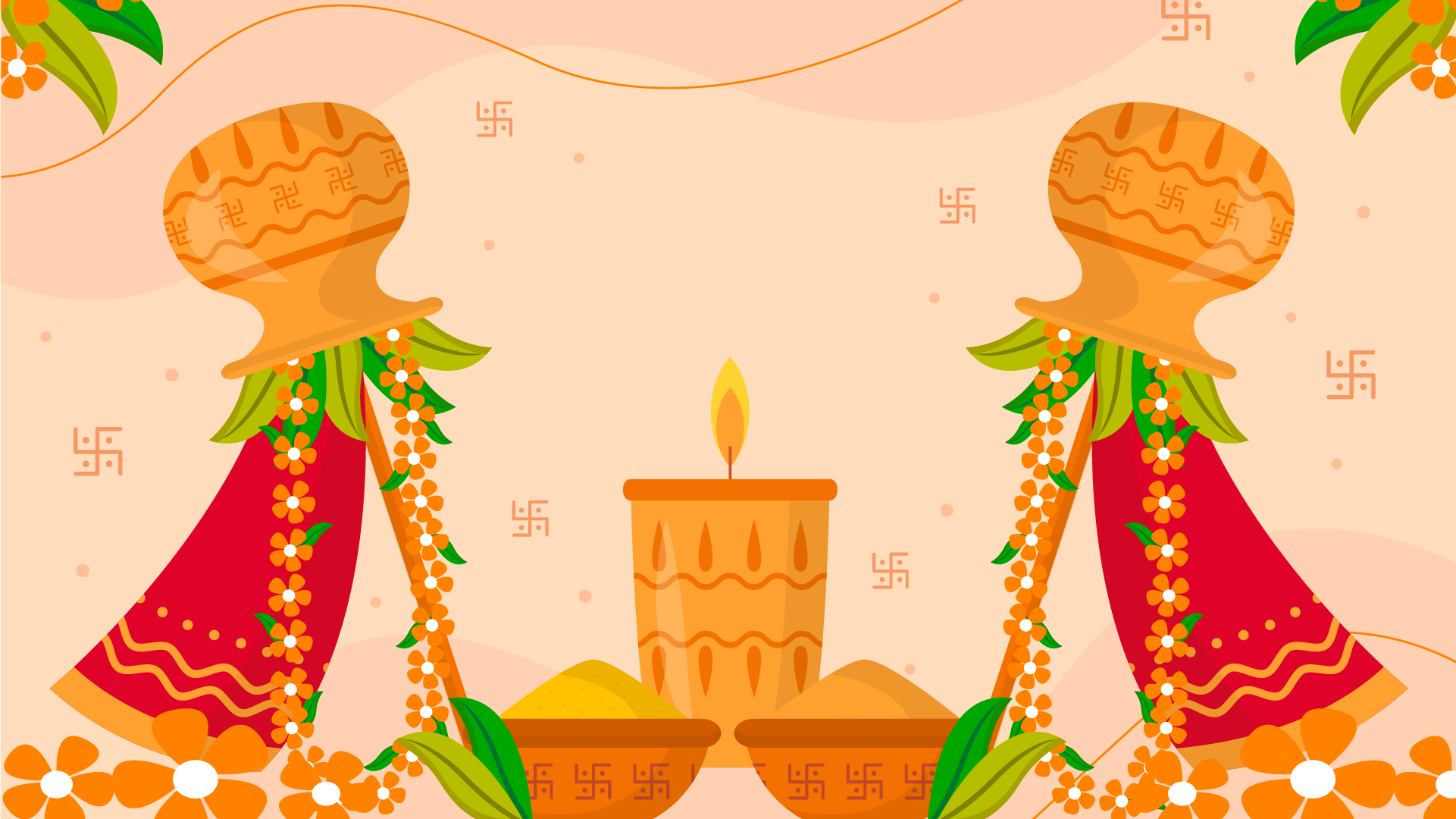
The term “garba” has its roots in the Sanskrit word “garbha,” signifying womb, and embodies the essence of creation and the divine feminine. The dance takes place around a clay lamp, known as garbha deep, which is beautifully lit inside a pot that has holes in it.
In the same way that planets dance around the sun, they dance around the lamp, showing the beautiful dance of energy around the sun. The lamp’s steady glow stood for a divine feeling that would never go away. The Garba dance was not merely a celebration; it was a meaningful tradition that signified essence of being a woman and the bonds of community. Throughout the years, Garba has blended its spiritual essence with the joy of the holiday, welcoming everyone, both men and women.
Garba originated in the villages of Gujarat and is particularly celebrated during Navratri, the nine-night festival dedicated to honoring Durga. Dance served as a unifying force in these community spaces, fostering connections among families and neighbors for both spiritual and social enrichment.
This tradition expanded from village squares to city auditoriums and university campuses and eventually reached the Indian diaspora across the globe.
At its heart, Garba is a beautiful blend of prayer and celebration, paying tribute to the divine feminine, the essence of fertility, and the ever-repeating cycles of life. The circular movements resemble cosmic cycles, hinting at a sense of unity and the endless flow of time.
During Navratri, countless individuals engage in Garba as a way to seek blessings, find clarity in their thoughts, and reconnect with their cultural heritage through the joy of music and dance.
How did Garba and Dandiya celebrations start in India?
Garba was once a personal dance performed around a simple earthen lamp, while Dandiya Raas draws inspiration from the dramatic tale of the nine-day struggle between Durga and the demon Mahishasura.
In Dandiya, two dancers rhythmically strike their sticks together, symbolizing the weapons that Durga wielded in her battle against evil. This dance originated in Gujarat, but it soon became popular across West India as a joyful way for people to celebrate after Garba.
As festivals expanded, the shift from Garba to Dandiya occurred, introducing lively stick movements and energetic styles that foster greater community engagement, typically following the devotional Garba. Today, both dances in Navratri merge spiritual and festive elements, with Dandiya appealing to youth through its lively rhythms and the opportunity for individual expression in dance.
The Connection Between Garba and Krishna’s Ras Leela
Many compare Garba’s circle rhythm and shared happiness to Krishna’s Ras Leela, the sacred dance in the Bhagavata Purana and Gita Govinda. Ras Leela is one of Krishna’s most enchanting acts, and it is spoken of with deep reverence in Hindu traditions.
In the enchanting night of Vrindavan, Krishna serenades the world with his flute during the magical Ras Leela beneath the soft glow of the moonlight. The gopis leave their homes, drawn by the joy of dancing with him in pure ecstasy.
The Ras Leela transcends a simple love story; it beautifully illustrates the deepest form of spiritual love, where our human emotions mirror the soul’s longing to connect with the divine. Many individuals believe that participating in Garba allows them to connect with the divine, as they express themselves through music, rhythm, and movement, almost as if they are partaking in a cosmic dance.
The Ras Leela conveys that genuine devotion surpasses ego and worldly ties, enabling devotees to attain pure love and unity with God. It highlights the profound spiritual longing, surrender, and joy observed in Garba’s communal circle dance.
Grand Garba Nights vs. Traditional Celebrations
Modern Garba and Dandiya nights feature vibrant sound systems, dazzling lights, and large crowds of dancers, often in the hundreds or thousands. Current events are grand and competitive with a commercial aspect, differing from the intimate, candle-lit gatherings of the past.
During traditional celebrations, you would often encounter acoustic music, sincere devotional lyrics, and the cozy atmosphere of close-knit community circles. These circles focus on meditation, nurturing inner joy, and building spiritual connections.
Grand Garba nights today feature celebrity performances, Bollywood remixes, exquisite designer outfits, and vibrant live streams on social media. However, some critics argue that when the music volume escalates or themes stray from spiritual roots, the essence of devotion diminishes. Despite this, these events foster community bonding and elevate cultural pride.
A movement is emerging that prioritizes traditional and quieter celebrations focused on worship and the sanctity of dance. Organizers of Garba and Dandiya events are keen to reconnect with the spiritual essence of these dances. Their approach includes incorporating acoustic nights, devotional singing, and forming more intimate circles during the celebrations.
The lasting importance in Indian culture.
Garba and Dandiya transcend mere entertainment, embodying a vibrant community spirit steeped in devotion and rituals celebrating feminine divinity. These festivities illustrate a joyful cycle of life and the victory of good over evil, merging traditional practices with modern interpretations.