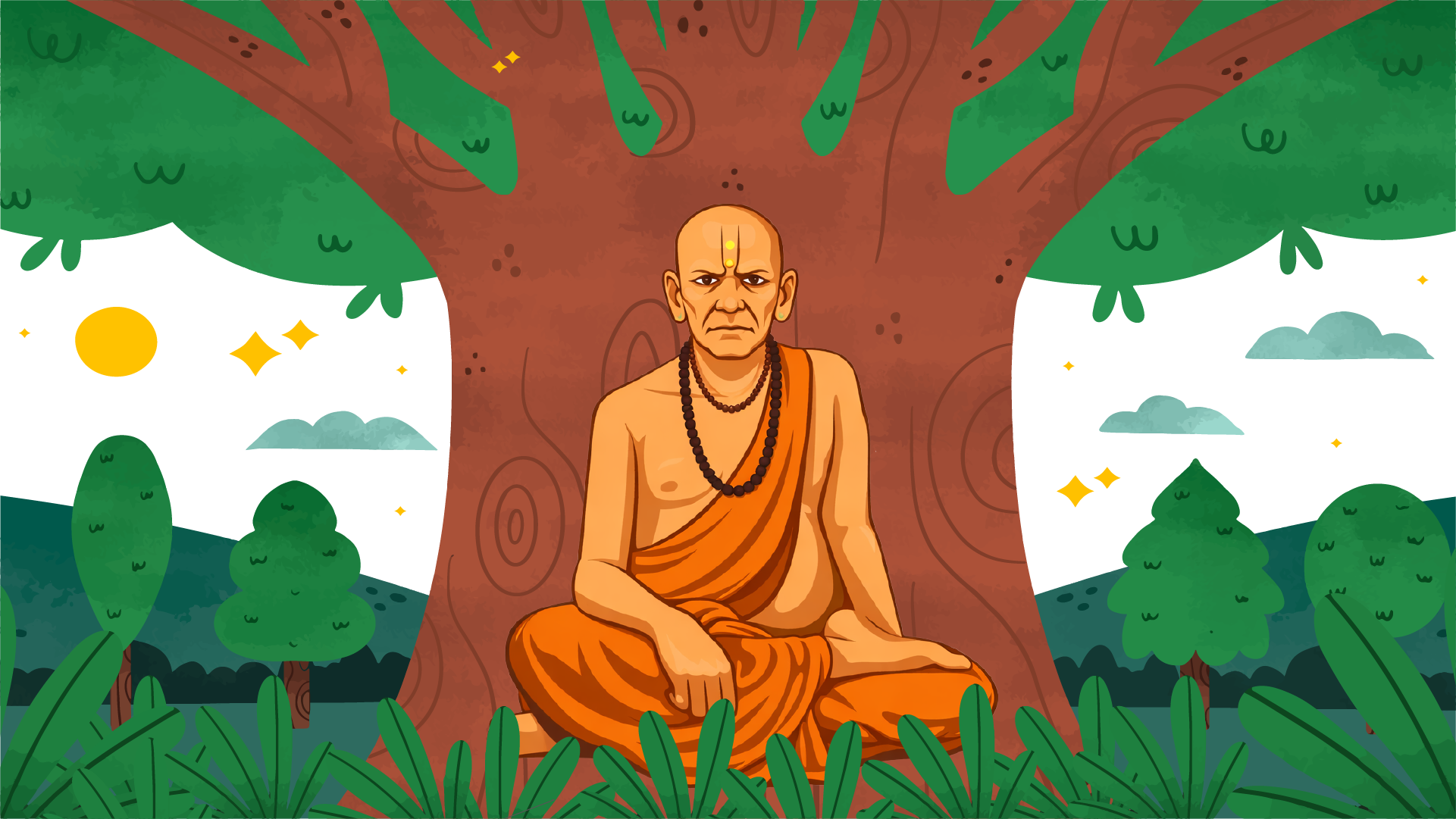
Vanvaas, or living in the forest, is essential in ancient Indian culture. It is not just a punishment for being away from home but also a way to grow spiritually and get back in touch with nature’s natural rhythms.
Imagining what it would be like if people today chose to live in forests makes us contemplate how deeply Indian culture has been connected to natural ecosystems and makes us rethink how we interact with the environment today in terms of sustainability.
What does “Vanvaas” mean?
“Vanvaas” literally means “living in the forest” (van = forest, vaas = residence).
Traditionally, it meant a time of retreat, either by choice or by force. The idea comes up a lot in old epics like the Ramayana, where Prince Rama, his wife Sita, and his brother Lakshmana go on a fourteen-year vanvaas after being exiled from politics.
Vanvaas is an exile by nature, but it also represents a deliberate withdrawal from worldly life for meditation, austerity, and self-discovery. It was a way of living close to nature, giving up the comforts of city life, and giving up worldly desires in order to attain spiritual awakening and clarity.
Aside from the epics, ancient sages and rishis often lived in ashrams in the woods. This showed how valuable the wilderness is as a place to learn, think, and heal.
How did people in the past live in the woods?
People who lived in the forests of ancient India had a lot of respect for their natural surroundings and lived in a way that had little effect on them. They wore simple clothes made from tree bark or natural fibers, like the valkal cloth that Rama and Lakshmana wore during their vanvaas. The natural cycles of the seasons, weather, and daylight shaped their daily lives.
They used forest herbs, plants, and streams for food, medicine, and spiritual practices. They hunted and gathered with care and respect, ensuring the ecosystem maintained its balance and protection. Living that way required self-control, the ability to change, and a deep connection to the world around you.
For instance, the well-known vanvaas of Ram, Sita, and Lakshmana. The Ramayana says that they left behind the luxuries of their palace and moved to Panchavati, where they lived a simple life in the forest with many plants and animals. Rama’s life was more than just staying alive; it was a spiritual journey.
The forest was a place where people could build their character, test their strength, and, in the end, restore dharma (righteousness). Sita’s role was also not passive; she learned to live in the forest with grace and strength, showing how people can thrive in different situations while still keeping their dignity.
Lakshmana’s watchfulness and service were a sign of the balance between duty to family and duty to God. Their stories show that living in the forest was as much a mental journey as it was a physical one.
What if people today want to live in the woods?
Thinking about a modern-day vanvaas starts a deep conversation about health, well-being, and sustainability.
The Pros
Living in forests today can help people get back in touch with natural cycles, which is beneficial for their physical and mental health. Forests give us clean air, lower our stress levels, and help our brains by letting us hear birds and other natural sounds.
Aligning daily activities with sunrise and sunset could help stabilize the circadian rhythms that often go wrong in cities. Living in the forest also encourages people to use fewer resources, use more local resources, and build stronger community ties through shared care of nature.
From a sustainability perspective, an increase in individuals embracing forest-centric lifestyles may alleviate urban infrastructural demands, diminish carbon footprints, and cultivate an appreciation for biodiversity.
Living in the forest deliberately could bring back traditional ecological knowledge, like how to harvest plants in a way that doesn’t harm them, how to use herbs for medicine, and how to protect the environment by involving everyone. These are the same ideas that ancient societies followed in sacred groves and tapovans.
The Cons
But moving to or greatly increasing the number of people who live in forests today is not simple. Deforestation, fragmentation, and climate change are all threats to modern forests. These threats make them less capable of handling sudden changes in population.
It would be challenging to keep up infrastructure for health, education, sanitation, and jobs only in forest areas. People who aren’t ready could be in a lot of danger from wildlife, natural disasters, and being alone.
Furthermore, giving up on technological advances and conveniences in cities could make social inequalities worse, since living in the woods requires self-sufficiency and skills that not everyone has. Without careful rules, people who move to forests without planning could use up resources, pollute the area, and fight with wildlife or native groups that already have rights to them.
Subsequently, sustainable forest living needs to attain a balance between human needs and the health of the ecosystem, with strong planning and support systems.
What ancient Vanvaas can teach us about modern sustainability?
The old practice of vanvaas provides us important clues. It was never about leaving society completely; it was about finding balance, simplicity, and meaning in nature’s arms. People who lived in ancient forests obeyed the rules of reciprocity. They only took what they needed and gave back by doing rituals, protecting sacred groves, and harvesting in a way that would last.
Living like a vanvaas could mean combining the comforts of city life with a profound understanding of the environment. Community-supported agriculture near urban forests, eco-villages that use renewable energy, and forest therapy tourism are all examples of these kinds of mixed models. Technology can help people live in forests in a way that doesn’t harm nature by providing them with access to education, medical care, and communication.
Vanvaas teaches that humility, respect, and patience are all important qualities for our planet’s future. These are the qualities we need to reconnect with nature. Instead of making forest life sound like a fairy tale, it calls for responsible coexistence, where people are caretakers of the green world instead of conquerors.
Final thoughts.
If ancient vanvaas represents the sacred balance between people and trees, modern attempts to live in the forest could lead to a sustainable future. Returning to forests can heal both individual souls and collective environmental wounds. This is a tradition that is just as important now as it was thousands of years ago.
Living in forests today is less about exile and more about rediscovering a primal home, where every leaf, river, and bird reminds us how intimately linked we are with the Earth. We accept the idea of vanvaas as a way to live that is more peaceful, aware, and long-lasting.