Svarlok, or Swarga, is one of the most interesting and deep ideas in Hindu cosmology and spirituality. It is called the “heavenly realm” and is home to Devas, which are divine beings or gods. It is very important in ancient Indian texts like the Vedas, Upanishads, and Puranas.
To fully understand Svarlok, you need to look into the meaning of its name, the nature and roles of its divine residents, the spiritual symbolism that connects it to other realms like Maharlok, and its connection to the yogic chakra system. This in-depth article goes into detail about these topics, revealing the deep spiritual, philosophical, and cosmological layers that make up the heavenly home called Svarlok.
Let’s explore Svarlok (Swarga), the celestial realm of Devas and Maharlok’s chakra link from ancient Indian wisdom.
What Svarlok Means: The Name and Its Meaning
The name Svarlok, is made up of two Sanskrit words: स (svar) and लोक (loka). The word “स” mostly means “heaven,” “sky,” or “celestial light,” which makes people think of brightness, radiance, and holiness. The second word, लोक, means “world,” “realm,” or “domain.” These words mean “heavenly realm” or “celestial world” together. This name suggests a place full of divine light and governed by cosmic rules of order and harmony.
The Rigveda, one of the oldest Vedic texts, often talks about the heavens as places where heavenly forces take on different natural and cosmic forms. These bright spheres are where the gods sit and control how the universe works. Swarga is a word that is often used interchangeably with Svarlok. It specifically refers to this heavenly home of the gods, a place of happiness and reward for souls who have followed dharma (righteousness) on earth.
Who are the inhabitants of Svarlok?
People recognize Svarlok as the divine abode of the Devas, who symbolize fundamental cosmic forces and concepts rather than being fictional entities.
Indra, the king of Swarga and ruler of the heavens, is the most important of these gods. He is shown holding the thunderbolt (Vajra) and controlling rain and storms that are necessary for life on Earth. His role is very important in many heavenly battles against evil forces or Asuras. This shows that he is the protector of cosmic order.
Agni, the god of fire, represents change, cleansing, and a holy link between people and gods in Vedic rituals. Agni is necessary for sacrificial ceremonies and keeping the spiritual connection between worlds.
Varuna, the protector of cosmic law, or Rta, watches over the waters and the moral order to keep the universe in balance. Vayu, the god of wind, is the life-giving breath that flows through everything.
These Devas make up a pantheon, with each one in charge of a different part of nature and the moral side of the universe.
Along with these gods, there are also ethereal beings like the Apsaras, who are heavenly dancers who represent beauty, grace, and artistic inspiration, and the Gandharvas, who are divine musicians whose music fills Swarga with sacred vibrations. Their presence makes the realm more beautiful and shows how everything is in harmony with the universe.
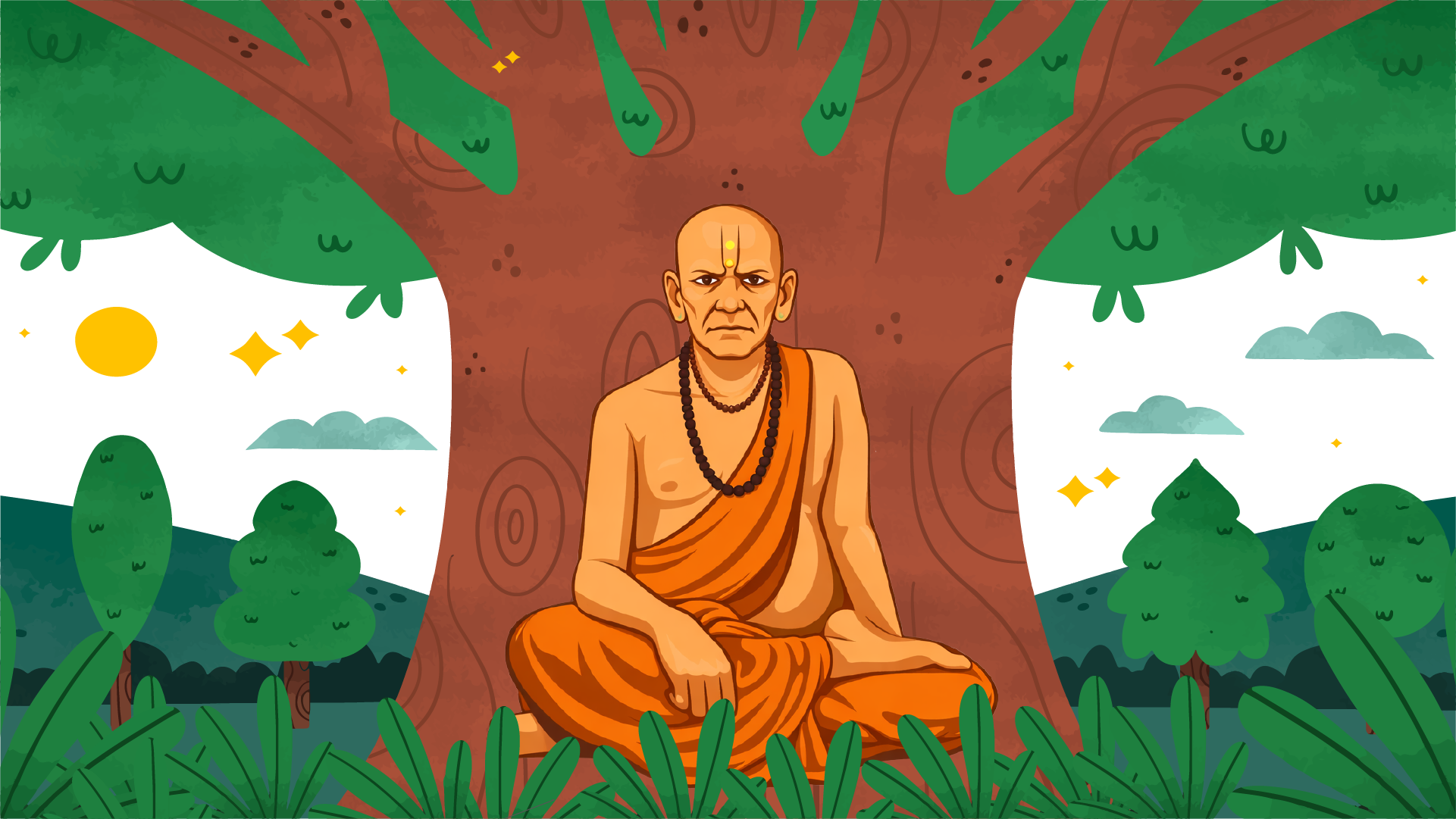
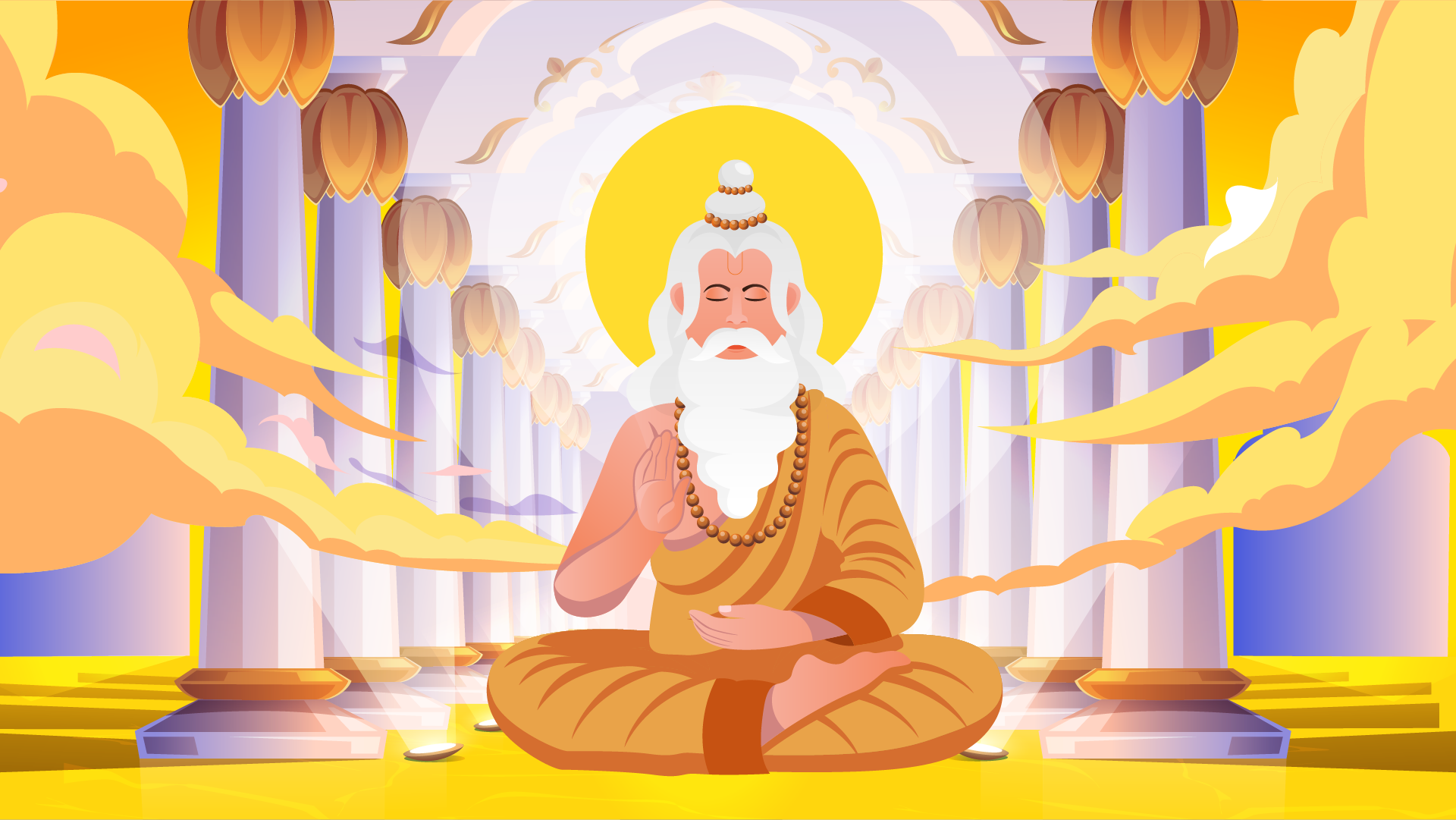
It is also important that enlightened sages, or Maharishis, visit or live in Svarlok. Sage Narada is one of the most famous sages. Many holy books say he was a divine messenger between gods and people and a master of spiritual knowledge and devotion. These Maharishis have important jobs, like passing on sacred knowledge, guiding souls, and sometimes working with the gods to settle disputes in the cosmos.
Gautama, Vashistha, and Pulastya are other Maharishis who are linked to the heavenly realm. Their presence in Swarga shows that the realm is not only a place of fun but also a place for divine teaching and spiritual growth.
What is the role of Devas from Svarlok?
The gods in Svarlok have many different roles that are closely related to Hindu cosmology’s focus on dharma, which means moral and cosmic order.
They are protectors and enforcers of what is right, and they play a big role in keeping the balance of the universe. Many holy books, like the Vishnu Purana and the Mahabharata, talk about how these gods reward good deeds by letting souls into Swarga after they die, where they can enjoy heavenly pleasures.
Indra’s repeated fights with Asuras (demons) show how order and chaos are always fighting in the universe. The gods’ victories in these battles are a sign of the victory of right and keep the universe in balance. Gods like Varuna are in charge of more than just martial duties. They also make sure that justice is done even after death.
The Devas in Swarga are also in charge of the natural cycles that keep both the physical and spiritual worlds going, such as rain, fire, wind, and cosmic order. Their actions show kindness and support, which can change the course of human history and health.
What is the spiritual meaning of Svarlok and its connection to chakras?
The Manipura chakra, which is also called the solar plexus chakra, is the third main chakra in the traditional yogic system. It is located around the navel or solar plexus area.
People refer to this chakra as the “energy powerhouse” of the body, governing the digestive system and metabolism, and affecting organs such as the stomach, pancreas, liver, kidneys, spleen, and small intestines.
The Sanskrit name “Manipur” translates to “city of jewels” or “lustrous gem,” symbolizing a radiant energy center that empowers individuals with strength, confidence, and vitality. It regulates aspects such as self-esteem and independence, aiding in significant life decisions and fostering inner strength and discipline.
Manipura chakra is the seat of the fire element (Agni) in spiritual traditions and Indian cosmology. This shows how important it is for digestion, transformation, and energy metabolism, both physically and spiritually. It is linked to the fire element, which stands for cleaning, light, and energy movement.
The Manipura chakra and Swarloka are connected through their focus on power and transformation; Manipura governs energy processes in the body, while Swarloka represents a higher energetic realm where divine forces oversee universal change.
The spiritual discipline associated with Maharlok (which is related to Manipura) means moving beyond the sensory pleasures of Swarloka to conscious self-realization and spiritual growth.
Final thoughts.
Svarlok, or Swarga, is not just a made-up heaven; it is a deep philosophical idea that includes divine justice, cosmic order, and spiritual reward. It is part of a hierarchical universe that sees dharma and karma as the rules that guide the soul’s journey.
Swarga is a symbol of universal balance, where the Devas protect righteousness and cosmic cycles. Maharishis contribute to this world through wisdom and divine communication. The study of Svarlok provides insight into the Hindu perspective of the universe, where worlds symbolize stages of moral and spiritual development that culminate in liberation from all lokas.