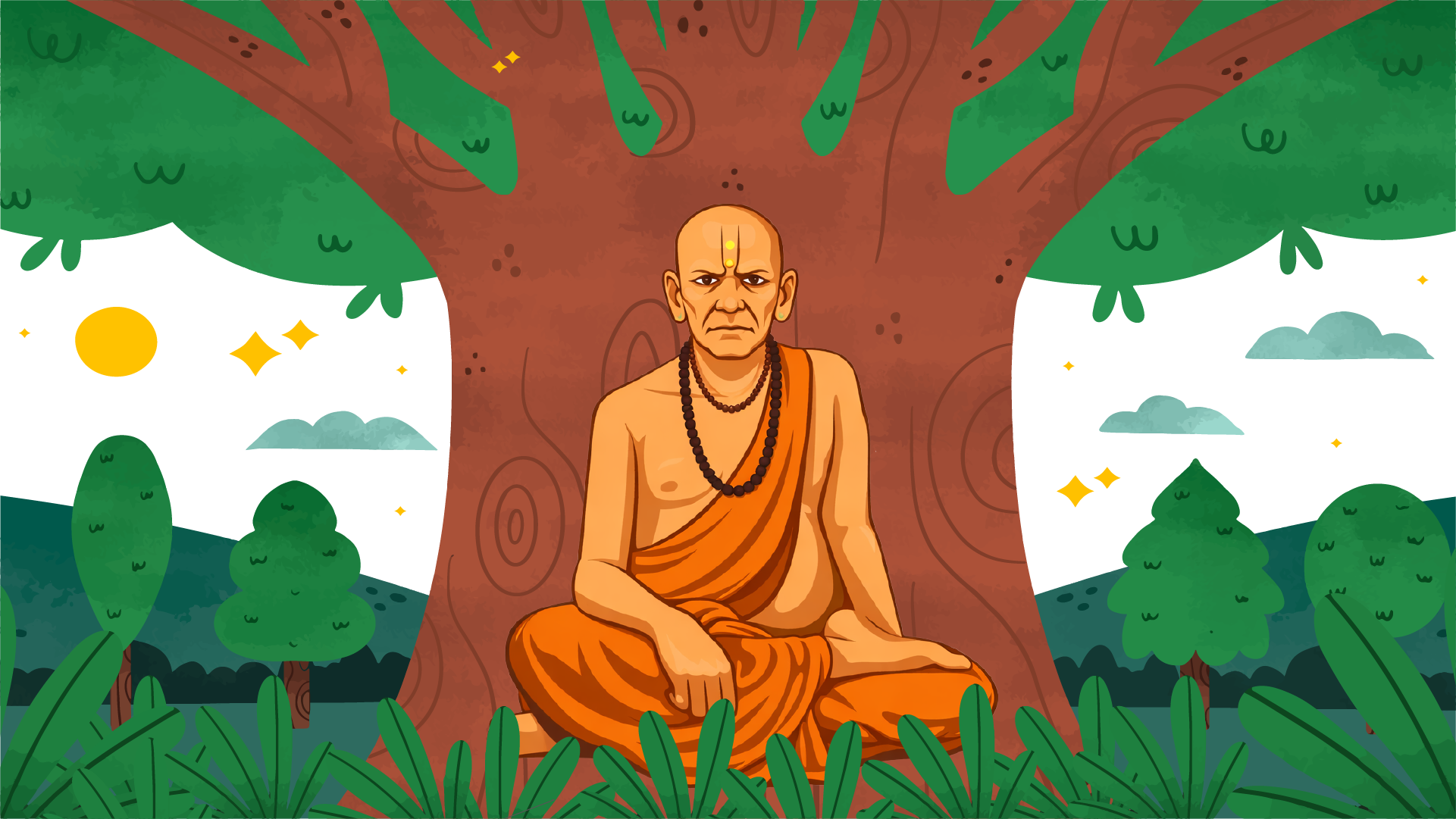
The power of stories has always been a big part of India’s growth as a civilization. Long before there were classrooms, chalkboards, or printed textbooks, people in the Indian subcontinent passed down knowledge through stories told out loud.
Storytelling was a whole way of learning that affected language, philosophy, ethics, science, social values, and memory as a group. It was fun, of course, but its main purpose was much more than that.
Stories, ranging from Vedic chants to folktales shared by grandmothers, served as the foundation for learning across India. Learning is most effective when individuals use their imaginations and feel connected to the subject matter, making it easier to remember, use, and pass on knowledge in a story frame.
Storytelling serves as a library of living knowledge.
Ancient India created a lot of complicated knowledge in areas like literature, math, astronomy, farming, government, medicine, and philosophy. But for hundreds of years, generations kept these big systems of thought going without writing anything down. The oral tradition facilitated the continuity of life by providing stories that made complex knowledge accessible to all.
Epic stories like the Ramayana and Mahabharata provide structured frameworks for understanding duties, loyalty, leadership, human behavior, diplomacy, and doing the right thing. The Panchatantra turned political wisdom into smart animal stories that both kids and adults could understand. The Jataka stories taught people how to tell right from wrong by using moral lessons.
Each story taught people something without making them feel like they had to learn it in a strict way. The guru-shishya parampara (teacher-disciple lineage) strengthened this way of doing things. Wise teachers told stories that got students to ask questions, contemplate themselves, and think critically.
Students learn through their feelings and imagination.
Human cognition flourishes when emotion underpins information.
That’s what stories do. A fact could be lost. An experience that is felt usually stays with you. Indian stories link universal themes like love, bravery, temptation, doubt, and sacrifice to the choices we make every day. They teach psychological lessons while pretending to be adventures.
If you use philosophical language to explain dharma or karma, a young mind might not get it right away. Ancient Indian historical works such as the Ramayana or Mahabharata, along with mythological narratives like the Puranas, exemplify these concepts.
Long before modern psychology talked about cognitive patterns, Indian storytellers did. They knew that retention gets better when students picture, empathize, and think about things.
Storytelling that uses imagination also helps people come up with new ideas.
A lot of the time, scientific thinking starts with the question: “What if?” Ancient writings like the Puranas talked about cosmic creativity and metaphysical thought experiments. They used metaphors to ponder time’s origin, the universe’s size, and the meaning of life.
Stories played a crucial role in the transmission of cultural values.
Stories helped people in a community figure out who they were. Cultural continuity depended on stories that praised common beliefs and experiences.
Folk tales kept alive local languages, dialects, art forms, and histories. Mythological stories created a symbolic world that made sense of rituals, festivals, and ways of life.
Storytelling also gave people a way to criticize society in a subtle way. Many stories had smart underdogs who used their brains to fight against unfair systems of power.
Trickster characters like Tenali Raman or Birbal taught people how to be diplomatic, how to be resourceful, and how important it is to question authority. Stories used humor and satire to help people be morally brave.
Everyday stories included social values like kindness, hospitality, gender ethics, and taking care of the environment. Many myths show how much people cared about rivers, mountains, and forests. These narratives helped people develop empathy for nature.
Oral stories, a fluid form of communication, facilitated the understanding of complex ideas across different regions and villages, preserving local culture and fostering understanding.
How do stories enable spiritual growth in young minds?
In India, education and spirituality were not often considered separate things. Stories helped people grow by making them contemplate who they are, their relationships, and their purpose.
The Upanishads tell stories about conversations between wise people and people looking for answers. These talks don’t force people to believe in something. The story format encourages students to explore metaphysics, transforming it into a relatable journey of discovery.
Tales about gods and divine appearances provide us symbolic guidance instead of direct instruction. They show the struggles we have inside ourselves between desire and discipline, fear and faith, and ego and humility. Spirituality transforms into a tangible experience instead of a mere theoretical concept.
Storytellers played a crucial role in the ancient education system.
Kathavachaks, Harikatha artists, and Pandavani performers are examples of traditional storytellers who used music, gestures, and dramatic expression to draw people’s interest. The experience that used all of the senses helped people remember things and made them appreciate art more.
A lot of classical Indian dance styles draw their stories from epics and Puranas. Bharatanatyam, Kathakali, and Odissi turn stories into dance, music, and costumes. Therefore, learning through stories included learning about art, creativity, and emotional intelligence.
Storytelling also helped people learn how to speak better. Poetry, alliteration, and rhythmic recitations helped people remember things and say them correctly. The diverse storytelling methods have enhanced regional literary traditions and contributed to the preservation of India’s numerous languages.
How can modern education benefit from ancient storytelling?
Today, schools in India often put tests and memorizing information ahead of other things. This method might make people more knowledgeable, but it could also make them less interested in learning. Indian storytelling traditions exemplify a significant principle. For learning to stay meaningful, knowledge must connect with the human spirit.
Modern teachers are using more and more narrative-based teaching methods to help students understand and connect with the material on an emotional level. Digital media provides you even more ways to tell stories. Animated movies, podcasts, and interactive learning tools are modern versions of old ways of doing things. A well-structured story can still change how people think better than just facts on their own.
The oldest way of learning in India shows that stories can do more than just entertain. They bring out empathy, reason, creativity, and a sense of self. They provide context for human behavior and continuity for cultural evolution.
Final thoughts.
Storytelling in India is a highly advanced learning method that has developed intelligence, built character, and preserved group knowledge for thousands of years. It continues to shape India’s culture and intellectual life and is crucial for raising intelligent, caring, and well-informed children. Retaining storytelling adds fun, creative, and social elements to modern education.