World Humanitarian Day is celebrated annually on August 19 to honor the efforts of humanitarian workers who risk their lives to provide aid to those in need. This day not only remembers their sacrifices but also shows how humanitarian problems are getting worse all over the world.
Humanitarian crises still affect millions of people, from wars and forced migration to climate disasters and food insecurity. World Humanitarian Day reminds us of the universal values of empathy, solidarity, and selfless service. It encourages us all to work together to make the world a more caring and strong place.
Why do we celebrate World Humanitarian Day?
World Humanitarian Day was established in 2009 following the tragic 2003 truck detonation at the United Nations headquarters in Baghdad, Iraq, resulting in 22 deaths.
This terrible event showed how dangerous it is for aid workers to work in unstable areas and made it clear that the world needs to recognize their bravery and dedication. The United Nations General Assembly then named August 19 World Humanitarian Day to honor these sacrifices and encourage people to work together to help others.
Why World Humanitarian Day matters?
In a world where natural disasters, armed conflicts, and economic disparities are on the rise, humanitarian aid is frequently the lifeline for vulnerable communities.
There are numerous reasons why World Humanitarian Day is significant. This is a chance to honor those who have spent their whole lives helping others, even those who have died in the line of duty.
It underscores the magnitude of global humanitarian crises, which are frequently disregarded or underreported. This day sets a reminder to governments, societies, and individuals of their collective obligation to assist those who are experiencing hardship.
It encourages global citizens to participate in volunteerism, donations, and advocacy that can support humanitarian causes. In this regard, this day is not merely a day of remembrance but also a day of proactive engagement in the construction of a more promising future.
How does Global Humanitarian activities take shape?
Humanitarian assistance is necessary for hundreds of millions of individuals as a result of war, climate-related disasters, destitution, and displacement, as indicated by United Nations reports.
There are still terrible humanitarian crises in places like the Middle East, Sub-Saharan Africa, South Asia, and parts of Latin America. Humanitarian action now includes more than just emergency relief. It also includes long-term measures to build resilience, such as healthcare, education, sustainable livelihoods, and mental health support.
International organizations, governments, local NGOs, and communities themselves are all required to coordinate humanitarian efforts, which are now more intricate than ever. The ongoing global emphasis on urgent humanitarian priorities is ensured by the highlighting of these challenges on World Humanitarian Day.
What are the sacrifices of humanitarian workers?
Dangerous circumstances are frequently encountered during humanitarian efforts. The lives of aid workers are at risk in regions that have been affected by disasters, during disease outbreaks, and in conflict zones.
The risk of violence or abduction, extended periods of separation from families, and exposure to trauma are among the personal hardships that many individuals endure. Sadly, hundreds of humanitarian workers have died over the years while providing aid and relief in areas affected by war.
World Humanitarian Day ensures these sacrifices are not forgotten.
Their courage serves as an inspiration, proving that true service goes beyond personal comfort. We remember how important it is to be kind to others, even when things are at their worst, by honoring their contributions.
What is the role of youth and local communities?
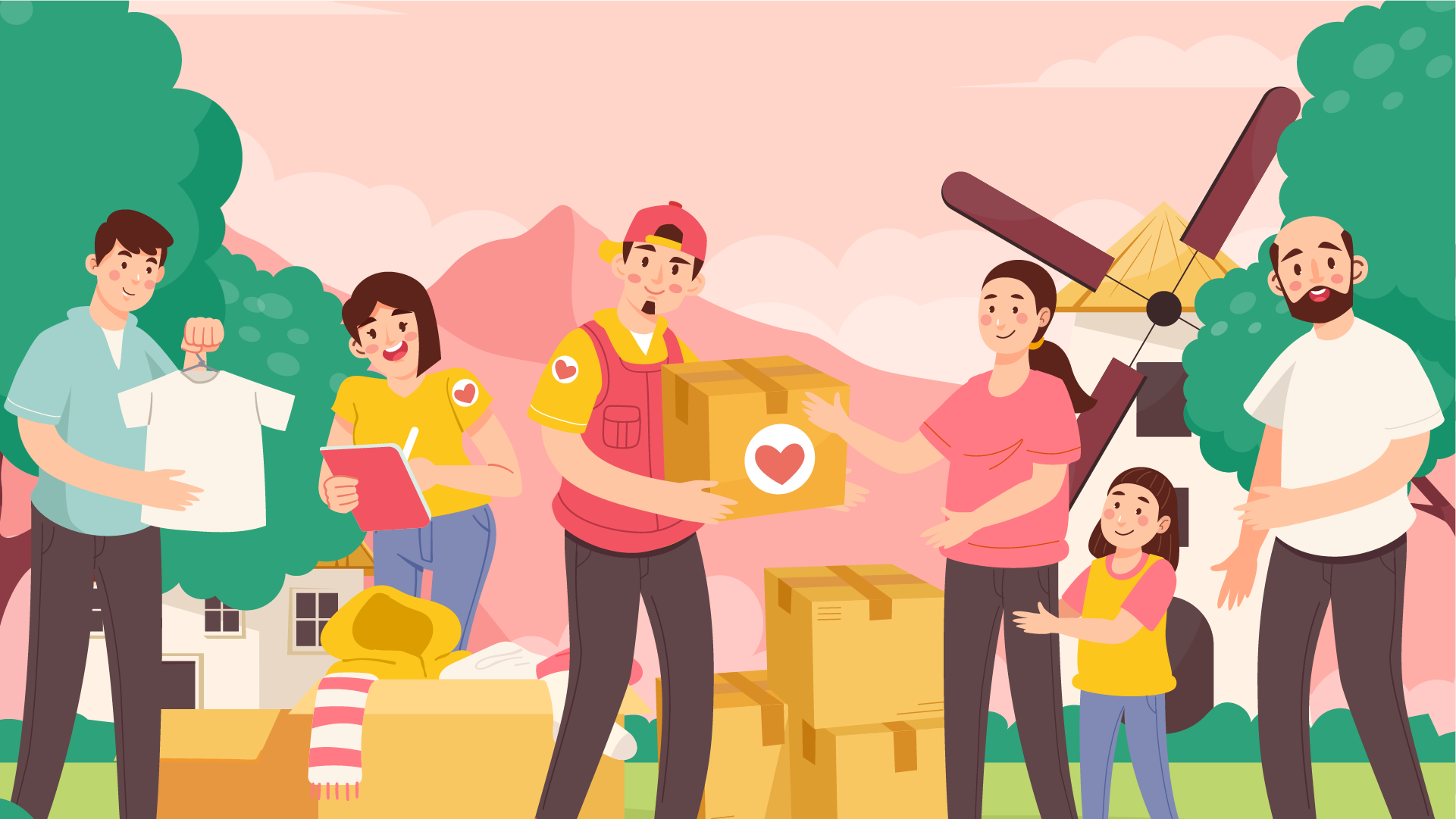
International organizations like the United Nations and the Red Cross are often thought of as doing humanitarian work, but it’s important to remember that communities and people also play a big role. When something bad happens, local youth groups, grassroots organizations, volunteers, and regular people are often the first to respond.
Local initiatives are an important part of humanitarian work, whether they involve giving food to villages that have been hit by floods, organizing blood donation drives, or raising awareness about the problems that refugees face. Giving young people the tools they need to help with humanitarian work makes sure that these actions will last for future generations.
How does humanitarian work affect climate change?
Vulnerable populations, who lack the resources to adapt, are disproportionately affected by rising sea levels, wildfires, cyclones, heatwaves, and droughts. Humanitarian organizations are increasingly at the forefront of disaster response related to environmental crises.
World Humanitarian Day has focused on showing how climate change and humanitarian action are linked and urging people, businesses, and governments to make changes that will last.
It underscores the necessity of humanitarian interventions to not only address immediate needs but also to foster long-term climate resilience. In this manner, the observance is adjusting to the urgent issues of the present.
How can we contribute?
World Humanitarian Day is not just about recognizing aid workers but also encouraging individuals to consider their role in a more progressive world.
Ordinary individuals have a plethora of opportunities to donate to humanitarian initiatives:
- Volunteering: Participating in local and international relief initiatives.
- Donations: Supporting organizations that provide aid to disaster-hit regions.
- Advocacy: Spreading awareness about global humanitarian issues and influencing policy change.
- Sustainable living: Reducing our ecological footprint to mitigate climate impacts on vulnerable communities.
- Empathy in daily life: Supporting marginalized individuals around us through acts of kindness.
By embracing these practices, each of us can contribute to the humanitarian spirit.
Final Thought
World Humanitarian Day encourages us to acknowledge the selflessness of those who serve, the lives lost in humanitarian missions, and the ongoing challenges faced by millions worldwide. This day promotes universal values like kindness, generosity, and standing up for each other, despite the often-divided world characterized by borders, politics, and inequality.
Embracing the spirit of this day, we can all work together to make the world a better place, providing everyone with dignity, safety, and hope.